
အဝတ်စုပ်ချောင်းစက် - စီးပွားရေးလုပ်ငန်းအတွက် အဝတ်စုပ်ချောင်းစက်ဝယ်ယူရေး လက်တွေ့ကျသော လမ်းညွှန်
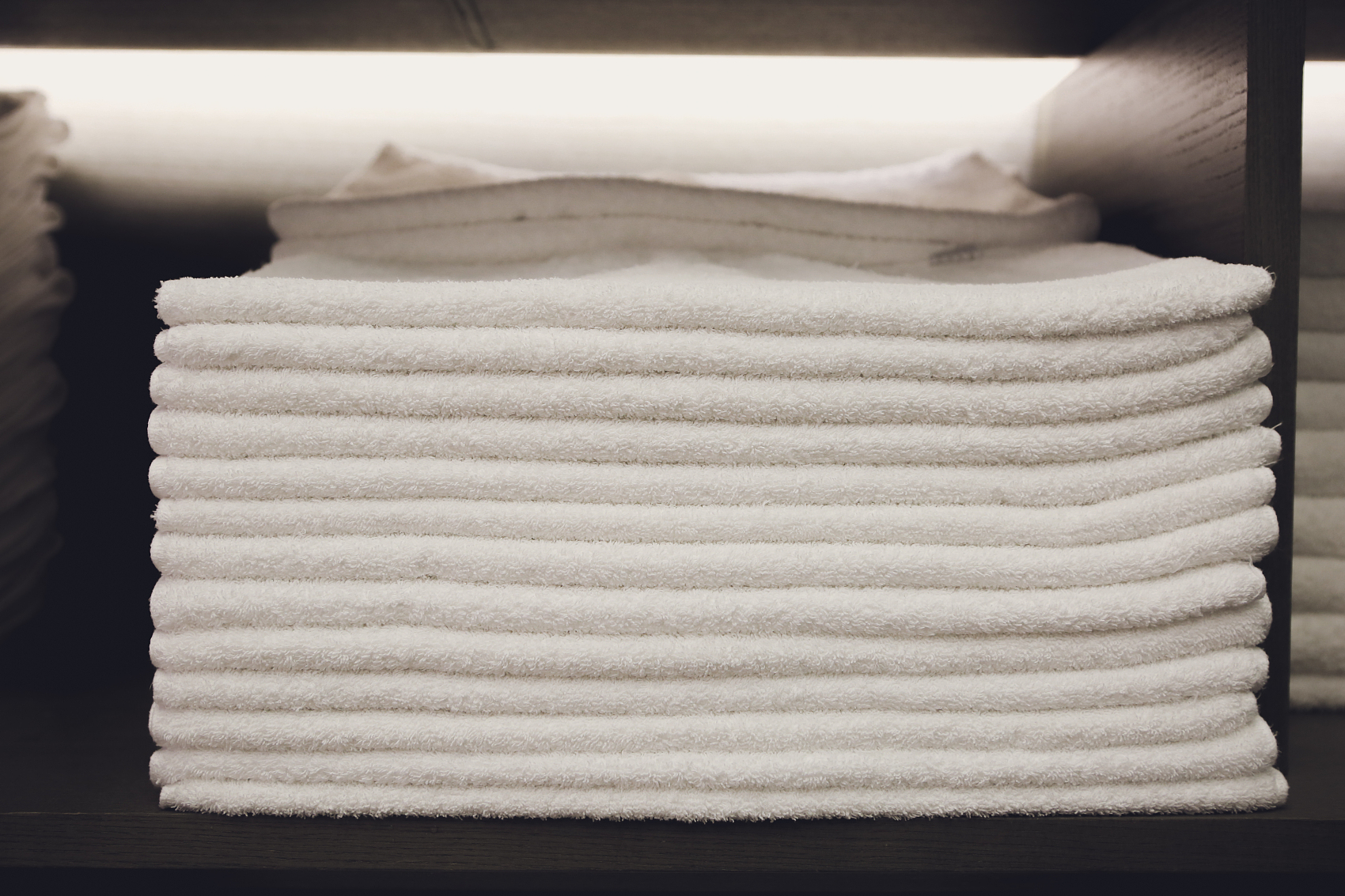
သင့်၏နောက်တစ်ဆင့်သော ထုတ်လုပ်မှုစွမ်းရည်မြှင့်တင်မှုသည် ဝန်ထမ်းအသစ်များကို ခန့်ထားခြင်းနှင့် မသက်ဆိုင်ဘဲ တွက်ချက်မှုမရှိသော ပြန်လည်လုပ်ဆောင်မှုများကို ဖယ်ရှားခြင်းနှင့် အကောင်းဆုံးသက်ဆိုင်ပါသည်။
အမှန်တကယ်ဖြစ်သော စုစုပေါင်းစုတ်နှုတ်မှုပြဿနာ - လုပ်သမ်းအင်အားသာမက
အများစုသော လုပ်ငန်းလုပ်ကိုင်သူများသည် အဝတ်အစားခေါက်စက်နှင့် ဆွေးနွေးမှုကို လုပ်သမ်းစရိတ်အတွက် စာရင်းဇယားဖြင့် ချဉ်းကပ်ကြသည်။ ထိုသို့ပြုလုပ်ခြင်းသည် နားလည်နိုင်ပါသည် - လက်ဖြင့်ခေါက်သည့် အဖွဲ့သည် မြင်သာပြီး တွက်ချက်နိုင်ပါသည်၊ အပတ်စဥ် P&L တွင် ဖော်ပြထားပါသည်။ သို့သော် ထိုအဖွဲ့နှင့် အတူတွင် တည်ရှိသော ဒုတိယစုတ်နှုတ်မှုစင်တာများကို မြင်နိုင်ခြင်းမရှိပါ။
လုပ်ငန်းနယ်ပယ်ဆိုင်ရာ အချက်အလက်များအရ လက်ဖြင့်ခေါက်ထားသော တာရီအဝတ်အစားများပေါ်တွင် ပြန်လည်လုပ်ဆောင်မှုများနှင့် အရည်အသွေးမီမှုမရှိခြင်းများသည် ခေါက်သည့်လုပ်သမ်းများ၏ စုစုပေါင်းလုပ်သမ်းစရိတ်၏ ၁၈-၂၆% အထိ ရှိပါသည် - အခြေခံလုပ်သမ်းစရိတ်အပေါ်တွင် ထပ်မံဖော်ပြထားခြင်းဖြစ်ပါသည်။ ထို့ကြောင့် ခေါက်သည့်လုပ်သမ်းများအတွက် နှစ်စဥ် ၁၂၀,၀၀၀ ဒေါ်လာ သုံးစွ expend နေသည့် လုပ်ငန်းတစ်ခုသည် အဝတ်အစားများ အဆောက်အဦးမှ ထွက်သွားသည့်အထိ မှတ်တမ်းမရှိသော ပြန်လည်လုပ်ဆောင်မှု၊ ပြန်လည်စီမံမှုနှင့် ဖောက်သည်များ၏ အကြောင်းတော်မှုများအတွက် ၂၂,၀၀၀ မှ ၃၁,၀၀၀ ဒေါ်လာအထိ အပိုစရိတ်များကို စုပ်ယူနေနိုင်ပါသည်။
အကောက်မကောင်းသော ရေချိုးခုံအဝတ်ကြမ်းသည် ပျောက်ကွင်းသွားခြင်းမရှိပါ။ ထိုအဝတ်ကြမ်းသည် ပြန်လည်ပြင်ဆင်ရန် ကုန်ပစ္စည်းမောင်းတန်းတွင် ပေါင်းစပ်ပါသည်၊ ထို့နောက် ပြန်လည်စီစဉ်ခြင်း၊ ဖြစ်နိုင်သည်မျှ ပြန်လည်ဆေးကြောခြင်းနှင့် ပြန်လည်အကောက်ခြင်းတို့ကို ပြုလုပ်ရပါသည်။ အကောက်မှားသောအချိန် ၁၂ စက္ကန်းသည် ပြင်ဆင်ရန်အတွက် စုစုပေါင်းလုပ်ငန်းချိန် ၄ မှ ၆ မိနစ်အထိ ကုန်ကျစေနိုင်ပါသည်။ အလိုအလျောက် အဝတ်ကြမ်းအကောက်စက်များသည် ဤအကောက်မှားခြင်းကို အရင်ဆုံးအဆင်းတွင် ဖြတ်တောက်ပေးပါသည်။ အကောက်မှားခြင်းကို ပိုမြန်စွာအကောက်ခြင်းဖြင့်မဟုတ်ဘဲ အကောက်မှားခြင်းမရှိသော အကောက်များကို အချိန်တိုင်း၊ အရွယ်အစားတိုင်း၊ အလုပ်အဖွဲ့တိုင်းတွင် အမျှတည်မြဲစွာ အကောက်ပေးခြင်းဖြင့် ဖြတ်တောက်ပေးပါသည်။
စက်ကို ရွေးချယ်ရာတွင် ဝယ်သူများ သိရန်လိုအပ်သည့်အချက်များ

အကောက်ပုံစံ စွမ်းရည်
စီးပွားရေးလုပ်ငန်းအတွက် အသုံးပြုသည့် အဝတ်ကြမ်းအကောက်စက်များသည် အဓိကအားဖြင့် အလျားလိုက် (အလုပ်ခွင်ပုံစံ) သို့မဟုတ် အနံလိုက် (အများပြောသည့်ပုံစံ) အကောက်များကို အသုံးပြုပါသည်။ အရေးကြီးသည့် အသုံးပြုမှုအချက်များမှာ စက်သည် အများအားဖြင့် ရေချိုးခုံအဝတ်ကြမ်းများအတွက် နောက်ထပ်အကောက်နှစ်ခု (အနံလိုက်) နှင့် အလျားလိုက်အကောက်နှစ်ခုကို ပေးနိုင်ခြင်းဖြစ်ပါသည်။ လက်သုံးအဝတ်ကြမ်းများ၊ မျက်နှာသုံးအဝတ်ကြမ်းများနှင့် ကုန်းပေါ်အဝတ်ကြမ်းများအတွက် အကောက်အစီအစဥ်များကို ပြောင်းလဲပေးနိုင်ပါသည်။ ထိုအကောက်များကို ထုတ်ကုန်အမျိုးအစားများကြား လက်နှင့်ပြောင်းလဲရန် မလိုအပ်ပါ။
ဖလိုင်းင်းဖစ်ရှ် တောဝဲလ် ဖော်လ်ဒိုင်းမေးရှင်းသည် ပရိုဂရမ်မ်သတ်မှတ်နိုင်သော ဖော်လ်ဒိုင်းပရိုဖိုင်များပါရှိသည့် တပ်ခ်စ်ကြောင်းပေါ် အင်တာဖေးကို အသုံးပြုပါသည်။ လုပ်သမ်းများသည် တောဝဲလ်အမျိုးအစားတစ်ခုချင်းစီအတွက် အထူးပြုထားသော ပရိုဂရမ်မ်များကို ကြိုတင်ပြင်ဆင်၍ သိမ်းဆီးထားပါသည်။ ထိုအတွင်းတွင် ဘေးဘက်ဖော်လ်ဒိုင်းနေရာများ၊ အလျားလိုက်ဖော်လ်ဒိုင်းအရှည်များနှင့် စတက်က်ခ်ပုံစံများကို သတ်မှတ်ပါသည်။ ထုတ်လုပ်မှုအတွင်းတွင် တောဝဲလ်အမျိုးအစားများကို ပြောင်းလဲရာတွင် စကရင်ပေါ်တွင် ထိပ်ခေါက်ခြင်းသာ လုပ်ရန်လိုအပ်ပြီး သက်ဆိုင်ရာ ပရိုဖိုင်ကို ဖွင့်ရန်သာ လိုအပ်ပါသည်။ ထိုသို့ဖော်လ်ဒိုင်းများကို ရှေးဟောင်းစက်များတွင် အရှိန်မှန်မှန်ဖော်လ်ဒိုင်းများကို လုပ်ဆောင်ရာတွင် ဖော်လ်ဒိုင်းအမျိုးအစားများကို ပြောင်းလဲရာတွင် ဖော်လ်ဒိုင်းများကို မက်ကေနိုကယ်အားဖြင့် ညှိရန်အချိန်ကို ဖျက်သိမ်းပေးပါသည်။
ထုတ်လုပ်မှုနှုန်းနှင့် စက်လုပ်ဆောင်မှုအချိန်
ဤစက်သည် အလွန်မြန်သော ပရီမီယံစနစ်မှ မဟုတ်ဘဲ အလယ်အလတ်အဆင့်ရှိပြီး ယုံကြည်စိတ်ချရသော အလုပ်လုပ်သည့်စက်ဖြစ်ပါသည်။ တောဝဲလ်အရွယ်အစားနှင့် ဖော်လ်ဒိုင်းရှုပ်ထွေးမှုအပေါ်မူတည်၍ စက်သည် အစိတ်အပိုင်းတစ်ခုလျှင် ၃ စက္ကန့်မှ ၇ စက္ကန့်အထိ စက်လုပ်ဆောင်ပါသည်။ ထိုသို့ဖော်လ်ဒိုင်းများသည် အထူးအမြန်နှုန်းကို အာရုဏ်တောက်စေသည့် အစိတ်အပိုင်းများမှ မဟုတ်ဘဲ စဥ်ဆက်မပြတ်ထုတ်လုပ်မှုကို ပေးစေပါသည်။
|
ပုံပြင် |
လည်ပတ်ချိန် |
ပုံမှန်ထုတ်လုပ်မှုနှုန်း |
အကောင်းဆုံးကိုက်ညီသော |
|
တန်းတစ်ခု + စတက်က်ခ် |
၃–၇ စက္ကန့် |
၆၀၀–၈၀၀ ခု/နာရီ |
ဖော်လ်ဒိုင်းမှ စတက်က်ခ်အထိ ပြီးမော်ပါသည့် အလယ်အလတ်အရွယ် ဟိုတယ်များနှင့် ကုန်ပစ္စည်းလောင်ဒရီများ |
ကြည့်ရှုရန် - ဖော်ပြထားသော စွမ်းဆောင်ရည်သည် ဖလက်ဝေါက် အရှိန်မောင်းစက်မှ ပုံမှန်အတိုင်း ချောမ်းသော အဝတ်အစားများကို အသုံးပြုသည့် အချိန်ကို အခြေခံ၍ တွက်ခေါက်ထားခြင်းဖြစ်သည်။ အဝတ်အစားများကို ခြောက်သော စက်မှ တိုက်ရိုက်ထည့်သွင်းပြီး အချိန်ကာလ အတိုင်းအတာ မှန်ကန်စေရန် အဆင့်မှုန်းခြင်း မပြုလုပ်ပါက လက်တွေ့အသုံးပြုမှုတွင် စွမ်းဆောင်ရည်သည် သတ်မှတ်ထားသည့် အတိုင်းအတာထက် ၁၅–၂၀% နိမ့်ကျမည်ဖြစ်သည်။
အများဆုံး ဖော်လ်ဒ်လုပ်နိုင်သည့် အရွယ်အစားများနှင့် အရွယ်အစားကြီးမားသည့် ပစ္စည်းများကို ကိုင်တွယ်ခြင်း
အများဆုံး ဖော်လ်ဒ်လုပ်နိုင်သည့် အရွယ်အစား - ၁.၂ မီတာ × ၁.၈ မီတာ။ ဤအရွယ်အစားထက် ကြီးမားသည့် ပစ္စည်းများ (သို့) ဖော်လ်ဒ်လုပ်ရန် သတ်မှတ်ထားသည့် အရွယ်အစားမှ ကွဲလွဲသည့် ပစ္စည်းများကို စနစ်က အလာမ်းမှုန်းပေးပြီး ပုံမှန်အတိုင်း ဖော်လ်ဒ်လုပ်ရန် ကာကွယ်ရန် စနစ်ကို အလုပ်လုပ်စေသည်။ ဤအရွယ်အစားထက် ကြီးမားသည့် စပါ သို့မဟုတ် ပူလ် အဝတ်အစားများကို လုပ်ကိုင်သည့် လုပ်သမ်းသည် အဆိုပါ ပစ္စည်းများကို မှုန်းပေးခြင်းခံရမည်ဖြစ်ပြီး ပိတ်ဆို့ခြင်း (သို့) မှားယွင်းစွာ ဖော်လ်ဒ်လုပ်ခြင်းမှ ကာကွယ်ပေးမည်ဖြစ်သည်။
ဝယ်သူများက တကယ်တမ်း နှိုင်းယှဉ်ကြည့်ရှုသည့် အင်္ဂါရပ်များ
ပရိုဂရမ် ပြောင်းလဲခြင်း နှင့် အပြည့်အဝ အလိုအလျောက် ဖော်လ်ဒါများ
ဤစက်သည် အလိုအလျောက် အရွယ်အစား စစ်ဆေးခြင်းမဟုတ်ဘဲ ပရိုဂရမ် ပြောင်းလဲခြင်းကို အသုံးပြုပါသည်။ လုပ်သမ်းသည် ထိတ်တွေ့မှုဖြင့် ထိန်းချုပ်နိုင်သော စကရင်မှတစ်ဆင့် အများအားဖြင့် အိပ်ရာခုံအဝတ်၊ လက်သေးအဝတ်၊ မျက်နှာသေးအဝတ် သို့မဟုတ် ကုန်းပေါ်အဝတ်များအတွက် အသင့်တော်ဆုံး ပရိုဂရမ်ကို ရွေးချယ်ပါသည်။ ထို့နောက် စက်သည် ထိုအထူးအမျိုးအစားအတွက် စီမံထားသော ဘေးဘက်နှင့် အလျားလိုက် ပိုမိုမှန်ကန်သော ခေါက်ခြင်းအစီအစဥ်များနှင့် စုစည်းခြင်း ယူဆချက်များကို အသုံးပြုပါသည်။
အပြည့်အဝ အလိုအလျောက် စိတ်ကူးယဉ်မှုများဖြင့် လုပ်ဆောင်သော စနစ်များနှင့် နှိုင်းယှဉ်လျှင် ပရိုဂရမ် ပြောင်းလဲခြင်း ခေါက်စက်များသည် စျေးနောက်ကြောင်း ပိုမိုသက်သာပြီး ထိန်းသိမ်းရန် ပိုမိုလွယ်ကူပါသည်။ အကြောင်းမှာ ၎င်းတို့သည် ပျက်စေနိုင်သည့် အီလက်ထရွန်နစ် စိတ်ကူးယဉ်မှု အစိတ်အပိုင်းများကို အနည်းငယ်သာ အသုံးပြုသောကြောင့်ဖြစ်ပါသည်။ အဝတ်လျှော်ခြင်းလုပ်ငန်းများတွင် အမျိုးအစားအလိုက် အပိုင်းအစီအစဥ်များဖြင့် လုပ်ဆောင်သည့် လုပ်ငန်းများ (ဥပမါ- နေ့စဥ် နှစ်နှစ်နှစ်နှစ် အချိန်ကြာမှုအတွင်း အမျိုးအစားတစ်မျိုးသာ လုပ်ဆောင်ပြီး နောက်တစ်မျိုးကို အစိတ်အပိုင်းအလိုက် လုပ်ဆောင်ခြင်း) အတွက် အသစ်သော ပရိုဂရမ်ကို ထိတ်တွေ့မှုဖြင့် ရွေးချယ်ရန် လိုအပ်သည့် စက္ကန်းအနည်းငယ်သည် အလွန်အများကြီး မဟုတ်ပါ။ အတွင်းပါ ခေါက်ခြင်းစံနှုန်းများကို အသိအမှတ်ပြုခြင်းနှင့် အရွယ်အစားကြီးသော အဝတ်များကို ဖျက်သိမ်းခြင်းတို့သည် အချိန်နှင့်တစ်ပါတည်း အရွယ်အစား စစ်ဆေးခြင်းကို အသုံးပြုခြင်းမှ ရှောင်လွဲနိုင်သည့် အရည်အသွေးထိန်းချုပ်မှုကို ပေးစေပါသည်။
အောက်ခြေမှ စီးဆင်းသည့်စက်များသည် ဖော်လ်ဒ်လုပ်ထားသော ပစ္စည်းများကို ကုန်စည်သယ်လုပ်စက် (conveyor) သို့မဟုတ် စုစည်းစားပုံစုံပေါ်သို့ ကျသောက်စေပြီး ၎င်းနေရာတွင် လူသားအလုပုပ်သမားများသည် ကုန်စည်များကို ကုန်းခေါင်းပေါ်သို့ ကောက်ယူ၍ စုစည်းပြီး ကောက်ချို့ထားသည့် ကောက်ချို့များအဖြစ် ထပ်မံစုစည်းကြသည်။ ဤသည်မှာ စက်မှ ဖယ်ရှားပေးရန် ရည်ရွယ်ထားသည့် နေရာတွင် လူသားအလုပုပ်သမားများ၏ လက်မှုလုပ်စွမ်းကို ပြန်လည်မိတ်ဆက်ပေးခြင်းဖြစ်သည်။
ဤစက်သည် ပေါင်းစပ်ထားသော စုစည်းစက် (stacker) ကို အသုံးပြုပြီး ဖော်လ်ဒ်လုပ်ထားသော ပစ္စည်းများကို စနစ်ကျသော ကောက်ချို့များအဖြစ် စုစည်းပေးပြီး လူသားအလုပုပ်သမားများအတွက် လွယ်ကူစွာ လက်ခံနိုင်ရန် အမောက်အမောက်မှ ဝမ်းခေါင်းအထိ သို့မဟုတ် ရင်ဘတ်အထိ မြင့်တက်စေသည်။ အလုပုပ်သမားများသည် သဘောကျဖွယ်ရာ ရှိသော ရုပ်ပိုင်းဆိုင်ရာ အနေအထားတွင် ရပ်နေပြီး စုစည်းစက်မှ ကောက်ချို့များကို ကောက်ယူကာ လိန်န်စ်တော်လီ (linen trolley) သို့မဟုတ် ကားတ်တွင် ပို့ဆောင်ပေးသည်။ စုစည်းစက်သည် အလုပုပ်သမားများကို ဖယ်ရှားပေးခြင်းမရှိသော်လည်း အောက်ခြေမှ စီးဆင်းသည့်စက်များတွင် လိုအပ်သည့် ကုန်းခေါင်းပေါ်သို့ ကောက်ယူခြင်း၊ မြေပြင်ပေါ်တွင် စုစည်းခြင်းနှင့် ထပ်မံစုစည်းခြင်းတို့ကို ဖယ်ရှားပေးသည်။
အစိတ်အပိုင်းများ ပြောင်းလဲရန် လိုအပ်ချက်များ
ဤယူနစ်သည် ဖောလ်ဒ်ပရိုဂရမ်များကို အီလက်ထရွန်နစ်အားဖြင့် သိမ်းဆည်းပေးပါသည်။ ဘယ်လ်ထ် လမ်းညွှန်များ သို့မဟုတ် ခြုံငုပ်မှု ရောလာများကို လက်နှ့့စွဲဖော်ပေးခြင်းမလိုဘဲ ထိပ်စီးမျက်နှာပြင်မှ အကျယ်နှင့် အနက်အတိုင်းအတာများကို ပြန်လည်ခေါ်ယူနိုင်ပါသည်။ ကုန်ပစ္စည်းအမျိုးမျိုးကို ထုတ်လုပ်သည့် ပတ်ဝန်းကျင်များတွင် ဤစနစ်သည် စီမံခန့်ခွဲမှုအချိန်ကို လျော့နည်းစေခြင်းနှင့် အစားထိုးပစ္စည်းများကို သိုလှောင်ရန် လိုအပ်မှုကို ဖျက်သိမ်းပေးခြင်းဖြင့် အကောင်းများစေသည့် တန်ဖိုးကို ပြန်လည်ရရှိပါသည်။
အချိန်အတွင်း အရေးကြီးဆုံးအချက်
အော်တိုလုပ်ထားတဲ့ လက်ကိုင်ပုဝါ ခေါက်ခြင်း လုပ်ငန်းတွေကနေ အဆက်မပြတ် ပြန်ကြားချက်က အမြန်နှုန်းမဟုတ်ပဲ ခန့်မှန်းနိုင်မှုပါ။ တစ်နာရီကို တစ်နာရီကို အပိုင်း ၆၀၀/၈၀၀ နဲ့ တစ်ချိန်တည်းမှာ ခေါက်နိုင်တဲ့ စက်ဟာ အလျင်အမြန် ပိုမြန်တဲ့ စက်ထက် ပိုတန်ဖိုးရှိပြီး စက်ရဲ့ အရည်အသွေးနဲ့ အပြင်မှာ အပ်ထားတဲ့ ထုတ်ကုန်တွေကိုလည်း အလျင်အမြန် ထိန်းချုပ်ဖို့ လိုအပ်ပါတယ်။
ဤစက်သည် သင့်လိုင်းတွင် အဆင်ပေးမည်ကို စမ်းသပ်ကြည့်ရန် အသင်းတော်ပါသည်။
ထုတ်လုပ်မှုနှုန်း အကဲဖြတ်မှုကို တောင်းဆိုပါ သင့်၏ ထုတ်လုပ်မှုပမာဏ၊ ကုန်ပစ္စည်းအမျိုးအစားများနှင့် လက်ရှိရှိသည့် စီမံကုန်းများအတွက် အထူးပြုထားသည့် အကဲဖြတ်မှုဖြစ်ပါသည်။ မည်သည့် သေးငယ်သည့် တာဝန်မျှ မရှိပါ။ သင့်အနေဖော် ယုံကြည်မှုရှိစွာ ဆုံးဖြတ်နိုင်ရန် လိုအပ်သည့် ကိန်းဂဏန်းများသာ ပေးပါသည်။
 အရေးကြီးသော သတင်းများ
Copyright © 2024 Shanghai Flying Fish Machinery Manufacturing Co.,Ltd . ကိုယ်ရေးကိုယ်တာမူဝါဒ
 EN
EN


