आफ्नो लन्ड्रोम्याट स्थानीय रूपमा कसरी बजार गर्ने: १२ वटा कम लागतका रणनीतिहरू जुन वास्तवमै काम गर्छन्
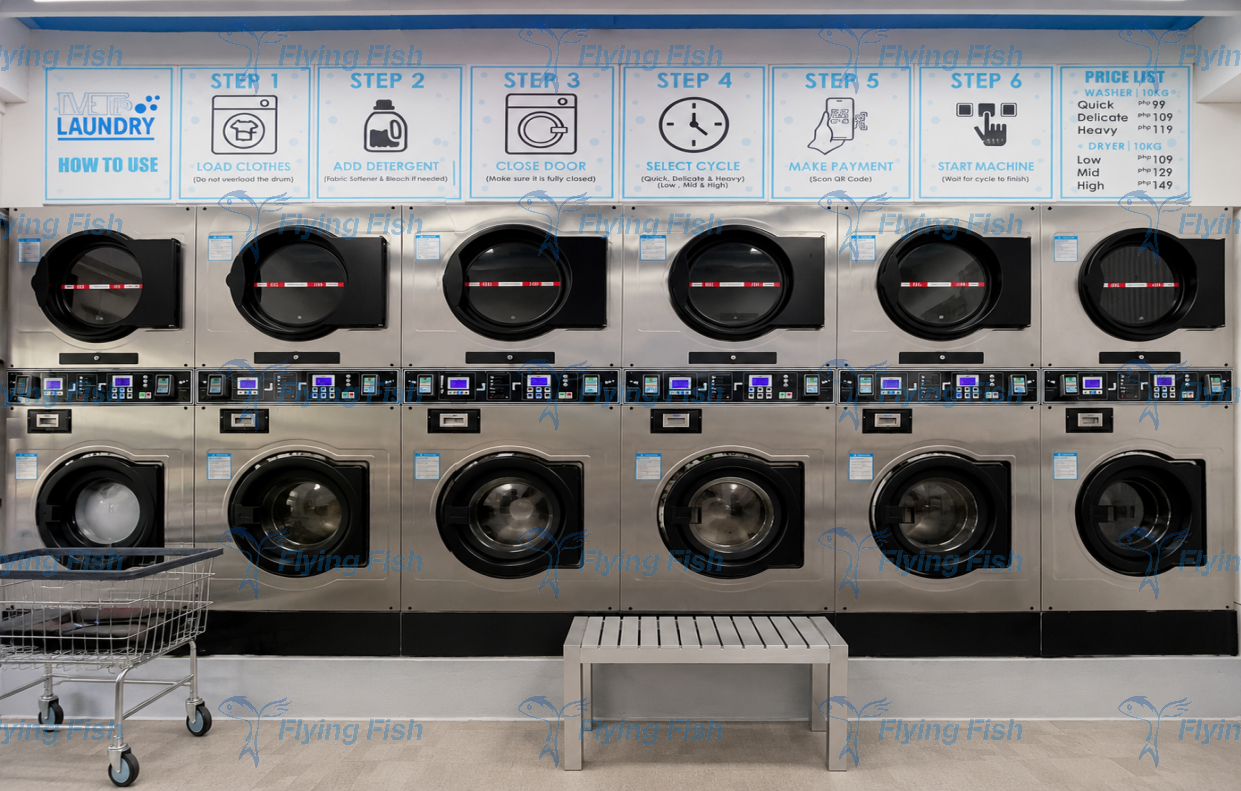
अधिकांश लॉन्ड्रोम्याटका ग्राहकहरू दोकानबाट दुई किलोमिटरभित्रै बसोबास गर्छन् वा काम गर्छन्। उनीहरू केवल केही सेन्ट प्रति लोड बचत गर्न काठमाडौंभरि गाडी चलाएर आउँदैनन्। उनीहरूले 'मेरो नजिकैको लॉन्ड्री' खोज्दा सबैभन्दा पहिलो देखिने स्थान, आफ्नो अपार्टमेन्ट भवनले सिफारिस गरेको स्थान, वा ट्रेन स्टेशनको बाटोमा प्रत्येक दिन हिँड्दा आँखा लाग्ने स्थान छान्छन्। तपाईंको विपणन कार्य जनसाधारणसम्म पुग्नु होइन; यो तपाईंको दोकानको नजिकैको सानो क्षेत्रलाई आफ्नो बनाउनु हो — र यो काम गर्दा तपाईंको मासिक संचालन बजेट खर्च नगरी गर्नु हो।
तलका रणनीतिहरू प्रयास र लागतको आधारमा व्यवस्थित गरिएका छन्। तुरुन्तै दृश्यता प्रदान गर्ने निःशुल्क विधिहरूबाट सुरु गर्नुहोस्। आदत र वफादारी निर्माण गर्ने कम लागतका रणनीतिहरू धीरे-धीरे थप्नुहोस्। प्रत्येक रणनीति विश्वभरि घनी शहरी जिल्लाहरू, विश्वविद्यालय नगरहरू र आवासीय ओवारहरूमा वास्तविक लॉन्ड्रोम्याट संचालनहरूमा परीक्षण गरिएको छ।
१. आफ्नो Google Business Profile लाई सुरक्षित गर्नुहोस्
यो निःशुल्क हो र यसमा दुई घण्टाभन्दा कम समय लाग्छ। सही समय, फोटोहरू, सेवाहरू, र सक्रिय पोस्टिङ्स सहितको पूर्ण Google व्यवसाय प्रोफाइल स्थानीय मानचित्रका परिणामहरूमा उच्च रैंक गर्छ, जुन राम्रो समीक्षाहरू भएको तर कम सूचनायुक्त प्रोफाइलभन्दा बेसी हुन्छ। Google को आफ्नै डाटा अनुसार, पूर्ण सूचीहरू स्थानमा आउने ग्राहकहरूलाई आकर्षित गर्न ७० प्रतिशत बढी सम्भावना हुन्छ।
गर्नुपर्ने कुराहरू: - आफ्नो भित्री क्षेत्र, मेसिनहरू, साइनबोर्डहरू, र बस्ने क्षेत्रका कम्तिमा १० वटा वास्तविक फोटोहरू अपलोड गर्नुहोस्। स्टक इमेजहरू होइन। - आफ्नो प्रस्ताव गर्ने सम्पूर्ण सेवाहरू सूचीबद्ध गर्नुहोस्: स्व-सेवा धुलाइ, स्व-सेवा सुखाइ, धुलाइ-र-मोड्ने, शुष्क सफाइ, र संकलन तथा डेलिभरी। - साप्ताहिक अद्यावधिकहरू पोस्ट गर्नुहोस्। कुनै प्रचार, नयाँ मेसिन, वा छुट्टीको समयमा परिवर्तन — प्रत्येक पोस्टले Google को एल्गोरिदमलाई सक्रियता सङ्केत गर्छ। - ग्राहकहरूले सूचीबाट नै तपाईंसँग सिधै सम्पर्क गर्न सकून भएको बनाउनका लागि मेसेजिङ सक्रिय गर्नुहोस्। - आफ्नो भुगतान कियोस्क नजिकैमा आफ्नो समीक्षा पृष्ठमा सिधै लिङ्क गर्ने QR कोड स्टिकर राख्नुहोस्। नियमित ग्राहकहरूलाई बाहिर निस्कनु अघि यसलाई स्क्यान गर्न अनुरोध गर्नुहोस्।
यदि तपाइँले कतिपय स्थानहरूमा संचालन गर्नुहुन्छ भने, प्रत्येकको लागि विशिष्ट फोटोहरू र प्रत्येक स्थानसँग सम्बन्धित विवरणहरूसँगै अलग-अलग प्रोफाइल सिर्जना गर्नुहोस्। नामहरू मात्र परिवर्तन गरी दोहोर्याएका प्रोफाइलहरूले तपाइँको रैंकिङमा हानि पुर्याउँछन्।
२. वास्तविक प्रश्नहरूको उत्तर दिने स्थान पृष्ठहरू निर्माण गर्नुहोस्
एकल-स्थानको दुकानलाई एउटा मजबूत पृष्ठको आवश्यकता हुन्छ जसले गुगललाई स्पष्ट रूपमा बताउँछ कि तपाइँ कहाँ छन् र के गर्नुहुन्छ। यसमा तपाइँको पूर्ण ठेगाना (डाक कोडसहित), नजिकैका भौगोलिक चिन्हहरूबाट दिशानिर्देशहरू, सार्वजनिक परिवहन पहुँच, पार्किङ निर्देशनहरू, र तपाइँका ग्राहकहरूका पाँचवटा सामान्य प्रश्नहरूमा उत्तर दिने प्रश्नोत्तर (FAQ) खण्ड समावेश गर्नुहोस्: अन्तिम धुलाइ समय, स्वीकृत भुक्तानी विधिहरू, डिटर्जेन्ट उपलब्धता, मेशिनका आकारहरू, र तपाइँले धुलाइ-र-भाँच्ने (wash-and-fold) सेवा प्रदान गर्नुहुन्छ कि छैन।
बहु-स्थान संचालकहरूलाई प्रत्येक पसलको लागि एउटा समर्पित पृष्ठ आवश्यक हुन्छ। प्रत्येक पृष्ठले वास्तविक नजिकैका सडकहरू, स्टेशनहरू वा भवनहरूको सन्दर्भ दिनुपर्छ — सामान्यीकृत प्रतिलिपि होइन। “मेट्रो स्टेशनबाट तीन मिनेट” ले गूगललाई केही पनि बताउँदैन। “प्रासा डी एस्पान्हा मेट्रो स्टेशनबाट तीन मिनेट, निकास बी” ले गूगललाई तपाईं कहाँ संचालन गर्दै हुनुहुन्छ भनेर ठीकसँग बताउँछ र त्यो क्षेत्रमा भौतिक रूपमा उपस्थित व्यक्तिहरूका खोजहरूसँग तपाईंलाई मिलाउँछ।
प्रत्येक पृष्ठमा एउटा प्रश्नोत्तर (FAQ) समावेश गर्नुहोस्। आवाज खोज प्रश्नहरू जस्तै “धुलाइघर कहिले बन्द हुन्छ?” वा “कुन धुलाइघरमा पार्किङ छ?” धेरैजसो सीधै FAQ सामग्रीबाट नै लिइन्छ। प्रश्नहरू प्राकृतिक भाषामा संरचित गर्नुहोस्, कीवर्ड-भरिएका टुक्राहरूमा होइन।
३. सीमित त्रिज्यामा भौगोलिक रूपमा लक्षित सामाजिक विज्ञापनहरू सञ्चालन गर्नुहोस्
फेसबुक र इन्स्टाग्राम विज्ञापनहरू धुलाइघरहरूका लागि काम गर्दछ जब तपाईं त्रिज्या सीमित राख्नुहुन्छ र दर्शक स्पष्ट रूपमा निर्दिष्ट हुन्छ। तपाईंको पसलको नजिकैको ३ देखि ५ किलोमिटरको त्रिज्याभित्र सबैलाई पुग्न २०० देखि ४०० यूरो — वा स्थानीय मुद्रामा त्यसको समकक्ष रकम — को मासिक बजेट पर्दछ। कुनै पनि विस्तारित क्षेत्रमा होइन। यो सटीकता नै हो जसले यो गणितीय गणना सफल बनाउँछ।
जनसांख्यिकीय प्रोफाइल अनुसार लक्षित गर्नुहोस्। विश्वविद्यालयको क्याम्पस नजिकै? नामांकन अवधिमा १८ देखि २८ वर्षका विद्यार्थीहरूलाई लक्षित गर्नुहोस्। युवा परिवारहरू भएको आवासीय क्षेत्रमा? २८ देखि ४५ वर्षका अभिभावकहरूलाई लक्षित गर्नुहोस्। पर्यटक मार्गमा? किराया बदलाउने अवधिहरूसँग समयबद्ध मौसमी अभियानहरू सञ्चालन गर्नुहोस्।
स्थिर छविहरूको सट्टा १५-सेकेण्डका भिडियो क्लिपहरू प्रयोग गर्नुहोस्। सफा, उज्ज्वल मेशिनहरू, एउटा ग्राहकले वाशरमा कपडा लदाइरहेको दृश्य, निःशुल्क वाइ-फाइ बस्ने ठाउँ र समाप्त भएको चक्र देखाउनुहोस्। भिडियोले कुनै पनि फोटोभन्दा छिटो वातावरण संचार गर्छ।
४. अपार्टमेन्ट भवनहरू र विद्यार्थी आवाससँग साझेदारी गर्नुहोस्
आवासीय परिसरहरू र विश्वविद्यालयका छात्रावासहरूले केन्द्रित, निरन्तर माग प्रतिनिधित्व गर्छन्। एउटा २००-युनिटको अपार्टमेन्ट भवनले सयौं व्यक्तिगत घरमा आउने ग्राहकहरूभन्दा बढी निरन्तर मात्राको आपूर्ति गर्न सक्छ। भवन प्रबन्धनसँग सरल प्रस्तावसँग दर्ता गर्नुहोस्: निवासीहरूले आफ्नो भवनको कार्ड देखाएमा १० प्रतिशत छुट, वा सिफारिसहरूको लागि सानो मासिक कमिसन।
भवनका लबी र एलिभेटरमा फ्लायरहरू टाँस्नुहोस्। धेरै आवासीय भवनहरूमा सक्रिय सन्देश विनिमय समूहहरू छन् — व्हाट्सएप, लाइन, वीच्याट, वा फेसबुक समूहहरू — जहाँ बासिन्दाहरू आपसमा सिफारिसहरू साझा गर्छन्। तपाईंको सेवाहरू र हालका प्रचारहरूको बारेमा महिनामा एक पटक मात्र पोस्ट गर्न अनुमति माग्नुहोस्।
विद्यार्थी आवासको लागि, समय नै सबै कुरा हो। सेमेस्टर सुरु हुनुभन्दा दुई हप्ता अघि तपाईंको पहुँच अभियान सुरु गर्नुहोस्, जब नयाँ विद्यार्थीहरू आफ्ना आदतहरू बनाउँदै हुन्छन्। पहिलो महिनामात्रको लागि मान्य बोनस क्रेडिटसँगै पूर्व-भुक्तानी कपडा धुने कार्ड प्रस्ताव गर्नुहोस्। जुन विद्यार्थीहरूले पहिले नै क्रेडिट लोड गर्छन्, उनीहरू फर्केर आउने गर्छन् किनकि तिनीहरूको पैसा पहिले नै खर्च भइसकेको हुन्छ।
५. भ्रमण-आधारित वफादारी कार्यक्रम सुरु गर्नुहोस्
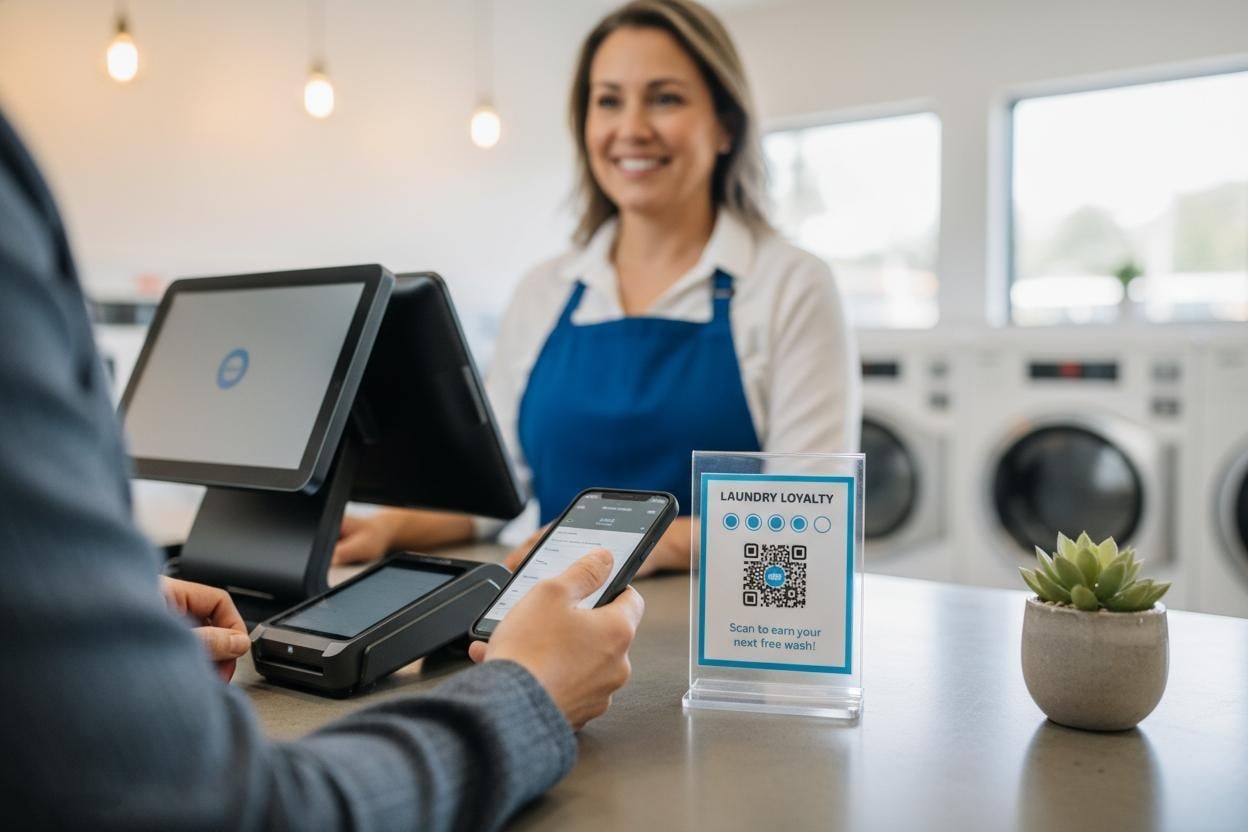
कागजका पञ्च कार्डहरू हराउने गर्छन्। फोन नम्बरसँग जोडिएका डिजिटल वफादारी कार्यक्रमहरू हराउँदैनन्। स्व-सेवा कपडा धुने केन्द्रहरूको लागि सबैभन्दा प्रभावकारी संरचना भ्रमण-आधारित हुन्छ: प्रत्येक भ्रमणमा एक अंक, खर्च गरिएको मुद्राको एक एकाइमा एक अंक होइन। ८ पटक भ्रमण गरेपछि, ९औँ धुने कार्य निःशुल्क हुन्छ।
यो संरचनाले तपाईंलाई प्रति पुरस्कृत चक्रमा पानी, बिजुली र डिटर्जेन्टको लागि लगभग १.५० यूरो खर्च गर्नुपर्छ। यसको बदलामा, तपाईं ८ पटक आउने गरेको ग्राहकलाई सुरक्षित गर्नुहुन्छ जसले सम्भवतः अरू २० पटक आउनेछन्। विपरीतमा, खर्च-आधारित मोडलले ग्राहकहरूलाई खर्च घटाउन एकैचोटि ठूलो लोडमा सबै कुरा भर्न प्रोत्साहित गर्छ — जुन तपाईंले चाहिँदैन गर्ने व्यवहार हो।
तपाईंको पीओएस (POS) प्रणाली वा स्वतन्त्र वफादारी एप्लिकेशन मार्फत कार्यक्रम ट्र्याक गर्नुहोस्। यसलाई दुकानभित्र काउन्टर प्रदर्शन र मेशिनमा लगाइने डिकलहरू मार्फत विज्ञापन गर्नुहोस्। वफादारी कार्यक्रम केवल तब काम गर्छ जब ग्राहकहरूले आफ्नो पहिलो लोडको लागि तिर्नु अघि यसको अस्तित्वको बारेमा जानकारी पाउँछन्।
६. निःशुल्क वाई-फाई र बस्ने कारण प्रदान गर्नुहोस्
लन्ड्रोम्याटको ग्राहकले साइटमा ६० देखि ९० मिनेटसम्म बिताउँछन्। यो अवधि वा त झन्झट हुन सक्छ वा त लाभदायक हुन सक्छ। निःशुल्क, विश्वसनीय वाई-फाई भनेको आधारभूत अपेक्षा हो। बस्ने क्षेत्रमा चार्जिङ पोर्टहरू, सानो पुस्तकालय वा स्थानीयहरूले सेवाहरू र कार्यक्रमहरू पोस्ट गर्ने सामुदायिक सूचना पट्टी थप्नुहोस्। गर्म वा आर्द्र जलवायुमा, एयर-कन्डिसन्ड बस्ने क्षेत्र मात्रैले तपाईंको पसललाई मेसिनहरू भएको तर आराम नभएको प्रतिस्पर्धीको तुलनामा प्राथमिकता दिइने छनोट बनाउन सक्छ।
तपाईंको बस्ने क्षेत्र र सुविधाहरूका फोटोहरू सोशल मिडिया र तपाईंको गूगल बिजनेस प्रोफाइलमा पोस्ट गर्नुहोस्। सन्देश अप्रत्यक्ष छ: तपाईंको कपडा यहाँ धुने काम चलिरहेको छ, र तपाईं यसै बेला काम गर्न, स्क्रल गर्न वा आरामले बस्न सक्नुहुन्छ।
७. सीधा सञ्चारका लागि व्हाट्सएप बिजनेस प्रयोग गर्नुहोस्
धेरै बजारहरूमा, व्हाट्सएप व्यवसाय र ग्राहकहरू बीचको प्राथमिक च्यानल हो। व्हाट्सएप बिजनेस खाता खोल्नको लागि कुनै लागत लाग्दैन र यसले तपाईंलाई प्रत्येक ग्राहकसँग सिधा सम्पर्कको रेखा प्रदान गर्छ जसले कल गर्नभन्दा टेक्स्टिङ गर्न प्राथमिकता दिन्छन्।
यसलाई तीनवटा कार्यहरूको लागि प्रयोग गर्नुहोस्: - मेशिनको स्थिति अद्यावधिक — मेशिन बन्द भएको वा फेरि अनलाइन आएको बेला एउटा छिटो प्रसारण। - प्रचारात्मक घोषणाहरू — मंगलबारका छुट, नयाँ उपकरणहरू, विस्तारित समय। - ग्राहक सेवा — घण्टा, मूल्य वा हराएका वस्तुहरूबारे सोधपुछहरू इमेलभन्दा छिटो जवाफ दिनु।
आफ्नो सम्पर्क सूची निर्माण गर्नुहोस् भुक्तानी कियोस्कमा र रसिदहरूमा व्हाट्सएप QR कोड राखेर। सोशल मिडियाको विपरीत, जहाँ एल्गोरिदमहरूले तपाईंको पहुँच सीमित गर्छन्, व्हाट्सएप सन्देशहरू प्रत्येक सम्पर्कमा सिधै पुग्छन्। अधिकांश बजारहरूमा व्यावसायिक सन्देशहरूको खोल्ने दर ९० प्रतिशतभन्दा बढी छ।
८. पार्श्ववर्ती व्यवसायहरूसँग सँगै प्रचार गर्नुहोस्
तपाईंको दरवाजाको छेउमा रहेको क्याफे, सडकको अर्को छेउमा रहेको सुविधा पसल, र तीन दरवाजा तल रहेको बेकरी — यी व्यवसायहरूले तपाईंको ग्राहक आधार साझा गर्छन् तर तपाईंसँग प्रतिस्पर्धा गर्दैनन्। सरल, ट्र्याक गर्न सकिने प्रस्तावहरू प्रस्ताव गर्नुहोस्: क्याफेबाटको रसिद देखाउने ग्राहकले आफ्नो धुलाइमा १० प्रतिशत छुट पाउँछ। तपाईंको लन्ड्रोम्याटमा निर्धारित रकम खर्च गर्ने ग्राहकले बेकरीको लागि छुट वाउचर पाउँछ।
होस्टल वा अल्पकालीन भाडामा दिइने सम्पत्तिहरू भएका क्षेत्रहरूमा प्रबन्धन कम्पनीहरूसँग साझेदारी गर्नुहोस्। तपाईंको लण्ड्रोम्याटलाई आफ्ना अतिथिहरूलाई सिफारिस गर्ने र रिसेप्सनमा तपाईंको कार्ड प्रदर्शन गर्ने होस्टलले तपाईंको स्थापनामा निरन्तर यात्रुहरूको प्रवाह गराउँछ, जसले आफ्नो अवधिमा एक वा दुई लोड धुनुपर्छ। प्रत्येक सिफारिस गरिएका ग्राहकको लागि सानो कमिसन प्रदान गर्नुहोस्, वा तपाईंका च्यानलहरूमा पारस्परिक प्रचार गर्नुहोस्।
९. उपयोगिता सन्तुलन गर्न अशिखर समयका प्रचारहरू सञ्चालन गर्नुहोस्
प्रत्येक लण्ड्रोम्याटका लागि मृत समयहरू हुन्छन् — सामान्यतया साप्ताहिक दिनहरूको मध्यान्हको समय। लक्ष्य धीमा समयहरूलाई पूर्णरूपमा निष्कासन गर्नु होइन, तर दैनिक आयमा सुधार गर्न यसलाई पर्याप्त उठाउनु हो, जसले कर्मचारीको कार्यघण्टा थप्नुपर्दैन।
समय-आधारित मूल्य निर्धारण लागू गर्नुहोस्: तपाईंको सबैभन्दा कमजोर ३ देखि ४ घण्टाको समयावधिमा सबै मेशिन चक्रहरूमा १० देखि १५ प्रतिशतको छूट। समयको लचकता भएका ग्राहकहरू — विद्यार्थीहरू, दूरस्थ कर्मचारीहरू, सेवानिवृत्त व्यक्तिहरू, र छोटा बच्चाहरू भएका अभिभावकहरू — छूट प्राप्त गर्न आफ्नो भ्रमण समय परिवर्तन गर्छन्। तपाईंका मेशिनहरू अन्यथा निष्क्रिय घण्टाहरूमा सञ्चालित हुन्छन्, र तपाईंको साँझको शिखर समय सामान्यतया सामान्य भएर सबैको अनुभवमा सुधार गर्छ।
तपाईंको व्हाट्सएप ब्रडकास्ट सूची, सडकको किनारमा राखिने ए-फ्रेम साइन र तपाईंको गुगल बिजनेस प्रोफाइलका पोस्टहरू मार्फत यो प्रचार विज्ञापन गर्नुहोस्। हप्तामा एउटै दिनहरूमा एउटै छुट लागू गर्नुहोस् जबसम्म यो आदत बन्न नसकोस्।
१०. आफ्नो उपकरणलाई मार्केटिङ्ग सामग्रीमा रूपान्तरण गर्नुहोस्
तपाईंको पसलमा रहेका मेशिनहरू गुणस्तरको दृश्य संकेत हुन्। आधुनिक व्यावसायिक धुलाइ मेशिन र सुखाउने मेशिनहरू जसमा स्पष्ट डिजिटल प्रदर्शन, धेरै कार्यक्रम विकल्पहरू र छिटो चक्र समयहरू छन्, यो सन्देश दिन्छ कि तपाईं आफ्नो व्यवसायमा र आफ्ना ग्राहकहरूको अनुभवमा लगानी गर्नुहुन्छ।
आफ्नो उपकरणलाई सामग्रीको रूपमा प्रयोग गर्नुहोस्। नियन्त्रण प्यानलका विकल्पहरू देखाउने छोटो भिडियो पोस्ट गर्नुहोस् र विभिन्न प्रकारका लोडहरूका लागि कुन चक्र उत्तम काम गर्छ भनेर व्याख्या गर्नुहोस्। जस ग्राहकले बुझ्छ कि तपाईंको छिटो धुलाइ २५ मिनेटमा हल्का दैनिक लोड सम्हाल्छ भने गहिरो गन्दगीको लागि चक्रले बिछौना र टावलहरू सम्हाल्छ, त्यो ग्राहक तपाईंको सेवामा यत्रो विश्वास गर्छ कि फेरि आउने छ।
यदि तपाईंले मेसिनहरू अपग्रेड गर्नुभएको छ भने, यसको घोषणा गर्नुहोस्। एउटा पोस्टमा 'नयाँ १५-किलोग्राम वाशर एक्सट्र्याक्टरहरू स्थापना गरिएका — एउटै चक्रमा पूरा एक हप्ताको परिवारको कपडा धुनुहोस्' भनेर लेख्दा मौजूदा ग्राहकहरूलाई यो सन्देश पुग्छ कि उनीहरूका लागि केही नयाँ प्रयोग गर्नुको लागि छ, र सम्भावित ग्राहकहरूलाई यो संकेत दिन्छ कि तपाईंको उपकरणहरू आधुनिक छन्, पुरानो हुँदै गएका छैनन्।
व्यावसायिक लन्ड्री उपकरणहरूको मूल्याङ्कन गर्दा क्षमता र मूल्यसँगै ग्राहक-मुखी विशेषताहरूलाई पनि विचार गर्नुहोस्: चक्रको गति, शोरको स्तर, पहिलो पटक आउने आगन्तुकहरूका लागि प्रयोग गर्न सजिलो हुनु, र आधुनिक डिजिटल इन्टरफेसहरूको दृश्य प्रभाव। यी कारकहरूले प्रभावित गर्छन् कि कुनै पहिलो पटकको आगन्तुक नियमित ग्राहक बन्ने छ कि छैन। छिटो, शान्त र प्रयोग गर्न सजिलो मेसिनहरूले तपाईंका कर्मचारीहरूले उत्तर दिनुपर्ने प्रश्नहरू पनि कम गर्छन् र व्यस्त समयमा ग्राहकहरूको असन्तुष्टि घटाउँछन्।
११. साना सामुदायिक कार्यक्रमहरू आयोजना गर्नुहोस्
लन्ड्रोम्याट एउटा भौतिक स्थान हो जहाँ मानिसहरू निश्चित अवधिका लागि एकत्रित हुन्छन्। यसले यसलाई साना, कम लागतका सामुदायिक कार्यक्रमहरूको लागि प्राकृतिक स्थान बनाउँछ।
शीतकाल अघि कपडा दान अभियान। शनिवारको बिहानमा निःशुल्क धब्बा हटाउने प्रदर्शन। प्रत्येक महिना सँगै नयाँ बासिन्दाहरूका लागि परिसरमा 'स्वागत' कफीको आयोजना। यी कार्यक्रमहरू जटिल हुनु आवश्यक छैन। यी निरन्तर हुनुपर्छ।
कार्यक्रमपछि सामाजिक सञ्जालमा फोटोहरू पोष्ट गर्नुहोस् र सहभागीहरूलाई ट्याग गर्नुहोस्। प्रत्येक ट्याग गरिएको फोटोले तपाईंको व्यवसायलाई ट्याग गरिएको व्यक्तिमा विश्वास गर्ने मानिसहरूको विस्तारित नेटवर्कमा प्रदर्शन गर्छ। घनिष्ठ बस्तीका क्षेत्रहरूमा, यस्तो सामुदायिक उपस्थितिले भुगतान गरिएको विज्ञापनभन्दा प्रभावकारी रूपमा मुख-प्रति-मुख प्रचार चलाउँछ।
१२. समीक्षाहरूलाई आय रेखा वस्तुको रूपमा व्यवस्थापन गर्नुहोस्
अनलाइन समीक्षाहरू नयाँ ग्राहकहरूको लागि तपाईंको लण्ड्रोमाटमा आउने निर्णयमा एकमात्र सबैभन्दा प्रभावशाली कारक हुन्। उपभोक्ताहरूको ८५% ले अनलाइन समीक्षाहरूमा व्यक्तिगत अनुशंसाहरू जति विश्वास गर्छन्। पैदल यात्रा दूरीमा धेरै विकल्पहरू भएको स्थानीय सेवाको लागि, तपाईंको स्टार रेटिङ र समीक्षा सङ्ख्या धेरै समय तपाईंलाई समावेश गरिने कि गरिने निर्धारण गर्छ।
यो दृष्टिकोण यान्त्रिक छ: सन्तुष्ट ग्राहक प्रत्येकलाई उनीहरू जानुभन्दा अघि समीक्षा दिन अनुरोध गर्नुहोस्। मुख्यतया, मुस्कानसँगै र एउटा QR कोडसँगै जसले उनीहरूलाई सिधै तपाईंको गुगल समीक्षा पृष्ठमा ल्याउँछ। प्रत्येक समीक्षाको उत्तर ४८ घण्टाभित्र दिनुहोस्। सकारात्मक समीक्षाकर्ताहरूलाई नामले धन्यवाद दिनुहोस् र उनीहरूले उल्लेख गरेको कुनै विशिष्ट कुराको सन्दर्भ दिनुहोस्। नकारात्मक समीक्षाहरूको जवाफमा क्षमा माग्नुहोस्, समस्या समाधान गर्न तपाईंले के गर्दै छन् भनेर संक्षिप्त व्याख्या दिनुहोस्, र तपाईंसँग सीधा सम्पर्क गर्न आमन्त्रण दिनुहोस्।
एउटा अउत्तर नदिइएको नकारात्मक समीक्षाले तपाईंलाई कतिपय सम्भावित ग्राहकहरू गुमाउन सक्छ। नकारात्मक समीक्षामा तत्काल र विचारपूर्ण स्वामीको जवाफले प्रायः शिकायतकर्तालाई दोहोरो ग्राहकमा रूपान्तरण गर्छ र सम्भावित ग्राहकहरूलाई संकेत गर्छ कि तपाईं सेवा गुणस्तरको प्रति ध्यान दिनुहुन्छ।
अन्तिम परिणाम
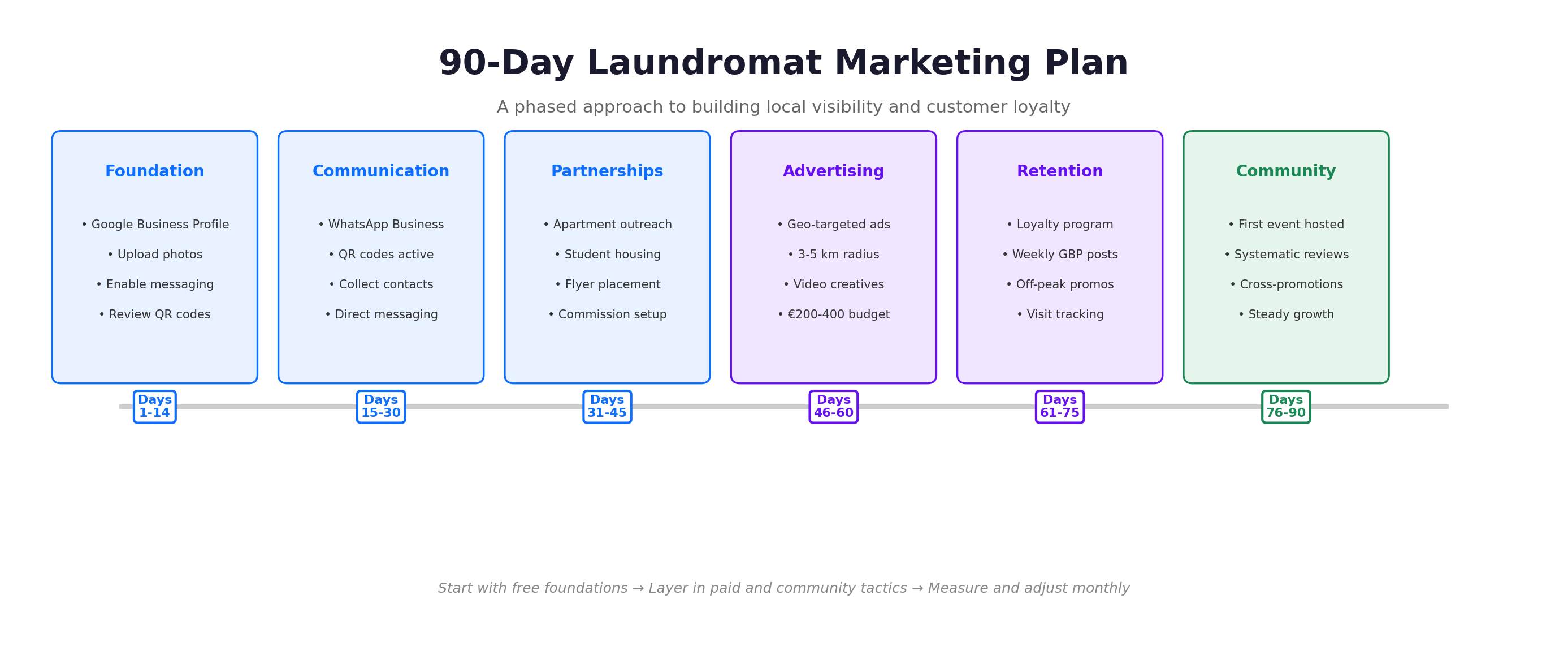
लॉन्ड्रोम्याटको स्थानीय बजारीकरण भाइरल क्षणहरू वा ठूलो बजेटका अभियानहरूको बारेमा होइन। यो निरन्तर, कम लागतका कार्यहरूको बारेमा हो जुन सङ्कुलित हुन्छन्। पूर्ण रूपमा अनुकूलित गूगल बिजनेस प्रोफाइल, संलग्न ग्राहकहरूको व्हाट्सएप सूची, दुई वा तीनवटा सक्रिय भवन साझेदारीहरू, ग्राहकहरूले वास्तवमै प्रयोग गर्ने वफादारी कार्यक्रम, र सकारात्मक समीक्षाहरूको निरन्तर प्रवाह — यी सबै मिलेर एउटा बजारीकरण इन्जिन सिर्जना गर्छन् जुन एकपटक स्थापित भएपछि स्वत: सञ्चालित हुन्छ।
यस उद्योगमा वृद्धि प्राप्त गर्ने संचालकहरू आवश्यक रूपमा सबैभन्दा नयाँ मेशिनहरू वा सबैभन्दा कम मूल्य भएका व्यक्तिहरू हुन्। उनीहरू ती व्यक्तिहरू हुन् जोसँग छिमेकीहरूले उनीहरूको नाम जान्छन्, जोसँग गूगल प्रोफाइल पहिलोमा प्रदर्शित हुन्छ, र जोसँग ग्राहकहरू फेरि-फेरि आउँछन् किनभने उनीहरूले आफूलाई एउटा ठाउँमा नियमित ग्राहकको रूपमा महसुस गर्छन् जहाँ उनीहरूलाई पहिचान गरिन्छ।
बारम्बार सोधिने प्रश्नहरू
लॉन्ड्रोम्याटको बजारीकरण गर्ने सबैभन्दा सस्तो तरिका के हो?
तपाईंको गुगल बिजनेस प्रोफाइललाई अनुकूलित गर्नुमा कुनै लागत लाग्दैन र यसले सबैभन्दा उच्च तत्काल रिटर्न प्रदान गर्दछ। सम्पूर्ण, फोटो-समृद्ध प्रोफाइल जसमा सक्रिय पोस्टिङ र समीक्षा प्रबन्धन समावेश छ, दुई देखि चार हप्तामा स्थानीय खोज दृश्यतामा सुधार गर्न सक्छ। प्रतिस्पर्धात्मक क्षेत्रहरूमा, यो एकल कार्यले तपाईंलाई आफ्नो ऑनलाइन उपस्थितिलाई उपेक्षा गर्ने पसलहरूभन्दा अगाडि राख्छ।
लण्ड्रोम्याटले प्रति महिना कति बजेट विपणनका लागि खर्च गर्नुपर्छ?
एकल-स्थानको पसलले प्रति महिना १५० देखि ४०० यूरो (वा स्थानीय मुद्रामा त्यसको समतुल्य) बजेट गर्नुपर्छ। लगभग ४० प्रतिशत भौगोलिक रूपमा लक्षित सामाजिक माध्यम विज्ञापनमा, ३० प्रतिशत वफादारी कार्यक्रमका इनामहरू र साझेदारी कमिसनमा, र ३० प्रतिशत भित्री स्थानमा साइनबोर्डहरू र सामुदायिक कार्यक्रमहरूका लागि खर्च गर्नुपर्छ। उच्च-प्रतिस्पर्धात्मक शहरी क्षेत्रहरूमा स्थित पसलहरूले यसभन्दा बढी लगानी गर्न सक्छन्; साना शहरहरूमा स्थित पसलहरू निम्न सीमामा पनि प्रभावकारी रूपमा सञ्चालन गर्न सक्छन्।
मेरो लण्ड्रोम्याटमा विद्यार्थीहरूलाई कसरी आकर्षित गर्ने?
वैध छात्र पहिचान कार्डसँगै १० प्रतिशत छात्र छुट प्रदान गर्नुहोस्। सेमेस्टर सुरु हुनुभन्दा दुई हप्ता अघि सामाजिक सञ्जालमा अभियान सुरु गर्नुहोस्। विद्यार्थी आवास कार्यालयहरूसँग साझेदारी गरेर डर्मिटरीहरूमा फ्लायरहरू वितरण गर्नुहोस्। निःशुल्क वाइ-फाइ र आरामदायी बस्ने व्यवस्था प्रदान गर्नुहोस् — विद्यार्थीहरू अक्सर चक्रहरू समाप्त हुने बेलामा अध्ययन गर्छन् वा अनलाइन कक्षाहरूमा सहभागी हुन्छन्।
स्व-सेवा लण्ड्रीहरूका लागि कुन वफादारी कार्यक्रम संरचना सबैभन्दा राम्रो काम गर्छ?
आगन्तुक आउने बारम्बारता मोडलले खर्च-आधारित मोडललाई पछाडि छोड्छ। यसलाई प्रत्येक भ्रमणमा एक अंक दिएर संरचना गर्नुहोस्, र ८ वटा संचित भ्रमण पछि एउटा निःशुल्क धुलाई चक्र प्रदान गर्नुहोस्। यसले नियमित भ्रमणहरूलाई प्रोत्साहित गर्छ, न कि ग्राहकहरूलाई यात्रा घटाउन प्रोत्साहित गर्छ। तपाईंको पोइन्ट-अफ-सेल (POS) प्रणाली मार्फत डिजिटल ट्र्याकिङले कागजी कार्डको असुविधा हटाउँछ र ग्राहक व्यवहारको बारेमा डाटा प्रदान गर्छ।
लण्ड्रीका लागि अनलाइन समीक्षाहरू कति महत्त्वपूर्ण छन्?
अत्यन्त महत्वपूर्ण। उपभोक्ताहरूको ८५ प्रतिशतले अनलाइन समीक्षाहरूमा व्यक्तिगत सिफारिसहरू जत्तिकै विश्वास गर्छन्, र गुगलले स्थानीय खोजीमा रङ्किङ गर्नका लागि समीक्षाको मात्रा, गुणस्तर र ताजगीलाई कारकको रूपमा प्रयोग गर्छ। एउटा प्रणालीगत दृष्टिकोण — सन्तुष्ट ग्राहकहरूलाई व्यक्तिगत रूपमा सोध्ने, QR कोड लिङ्क प्रदान गर्ने, प्रत्येक समीक्षाको ४८ घण्टाभित्र जवाफ दिने — उपलब्ध उच्च-ROI विपणन गतिविधिहरूमध्ये एक हो।
के मैले धुने-र-फोल्ड सेवा थप्नु पर्छ वा केवल स्व-सेवा मात्र राख्नु पर्छ?
धुने-र-फोल्ड सेवा थप्दा प्रति ग्राहक आय बढ्छ र आफ्नो कपडा धुने काम गर्न समय नभएका व्यस्त पेशागत व्यक्तिहरूलाई आकर्षित गर्छ। कार्यरत पेशागतहरू र दुई-आय वाला परिवारहरूको उच्च सान्द्रता भएका शहरी केन्द्रहरूमा धुने-र-फोल्ड सेवाको माग छिटो गतिमा बढ्दैछ। यो सेवाले अतिरिक्त श्रम माग गर्छ तर सामान्यतया स्व-सेवा भन्दा प्रति किलोग्राम २ देखि ३ गुणा बढी आय अर्जित गर्छ।
मैले लन्ड्रोम्याट श्रृंखला वा फ्र्यान्चाइजसँग प्रतिस्पर्धा कसरी गर्ने?
स्वतन्त्र लण्ड्रोम्याटहरूले व्यक्तिगत सेवा, सामुदायिक जडान र संचालनात्मक लचकीलापनमा जोर दिएर फ्र्यान्चाइजहरूसँग प्रतिस्पर्धा गर्न सक्छन् जुन फ्र्यान्चाइजहरूले पूरा गर्न सक्दैनन्। नियमित ग्राहकहरूको नाम बिर्सनुहोस्। कर्पोरेट नीतिको सट्टा स्थानीय माग अनुसार समय, मूल्य र प्रचार कार्यक्रमहरू समायोजन गर्नुहोस्। पार्सल घटनाहरूमा सहभागी हुनुहोस्। आफ्नो स्वतन्त्रतालाई शक्तिको रूपमा प्रयोग गर्नुहोस् — स्थानीय रूपमा स्वामित्व भएको, सामुदायिक केन्द्रित व्यवसायले स्वतन्त्र व्यवसायहरूलाई समर्थन गर्न प्राथमिकता दिने ग्राहकहरूमा आकर्षण गर्छ।
Copyright © 2024 Shanghai Flying Fish Machinery Manufacturing Co.,Ltd . गोपनीयता नीति
 EN
EN


 गर्म समाचार


