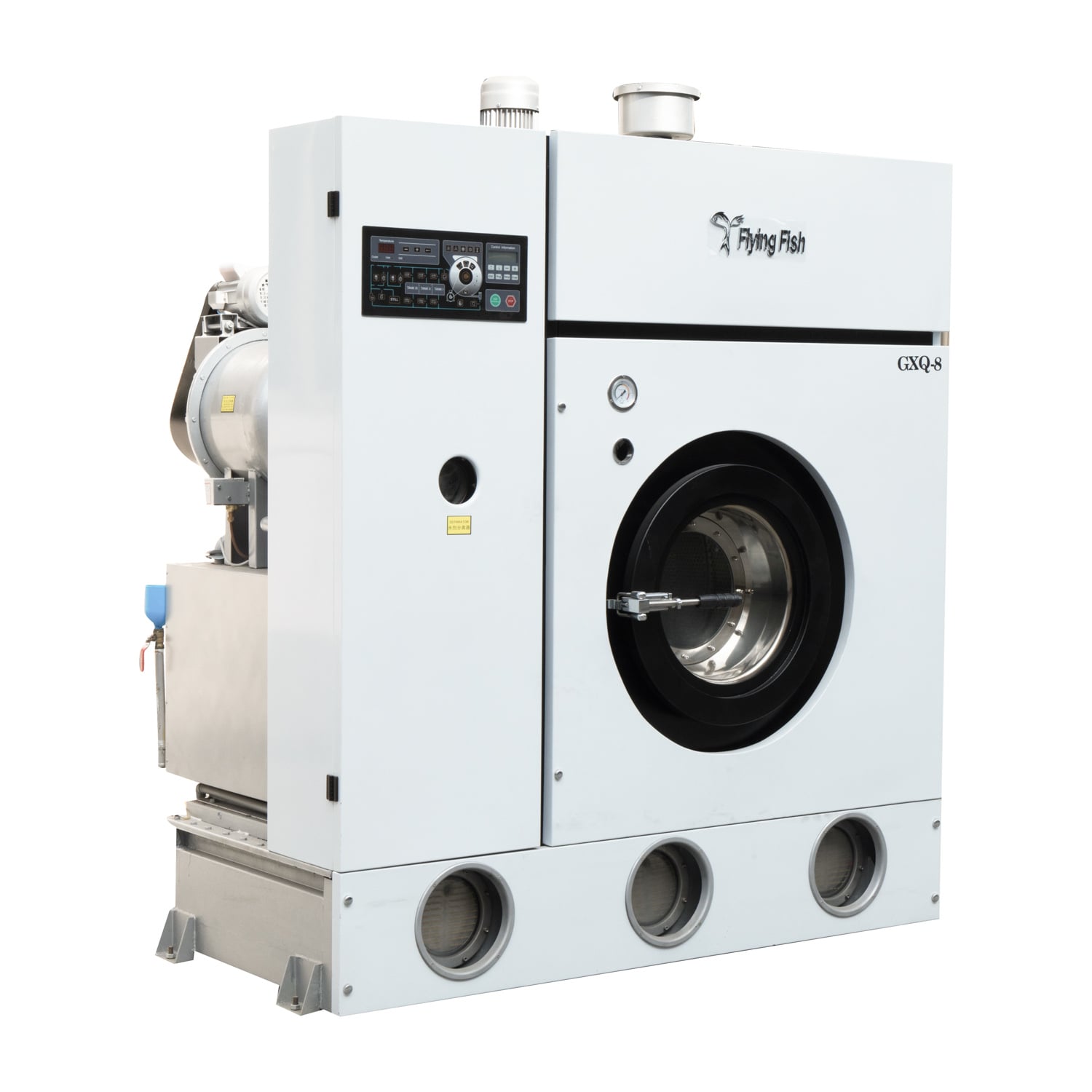
Haruskah Anda Meng-upgrade atau Memperbaiki Mesin Cuci Komersial Lama Anda? Kerangka Keputusan
Teknisi utama Anda baru saja memberi tahu Anda bahwa washer-extractor utama rusak lagi. Sabuk penggerak putus, mungkin bantalan juga mulai aus, dan terdapat kebocoran air dari segel yang telah diganti enam bulan lalu. Perkiraan biaya perbaikan adalah $2.800. Untuk ketiga kalinya dalam tahun ini.
Anda mengeluarkan ponsel dan mulai mencari mesin baru. Harga pengganti yang setara sekitar $18.000 termasuk ongkos kirim ke fasilitas Anda. Angka itu cukup besar. Namun, tumpukan linen kotor yang menumpuk di sudut ruangan—yang kini dicuci secara manual oleh tim Anda dengan ember—juga semakin membengkak.
Memperbaiki atau mengganti? Ini merupakan salah satu keputusan paling umum dan paling menegangkan yang dihadapi siapa pun yang mengelola operasi laundry komersial. Mengambil keputusan yang salah berarti Anda membuang uang untuk mesin yang sudah hampir rusak atau mengeluarkan modal yang sebenarnya tidak perlu dikeluarkan.
Mari kita bahas kerangka kerja praktis yang membantu Anda mengambil keputusan ini dengan percaya diri—berdasarkan angka, bukan tekanan dari tenaga penjual atau keterikatan emosional terhadap mesin yang sudah memberikan performa terbaiknya selama bertahun-tahun.
Selama bertahun-tahun, saya menemukan bahwa kebanyakan orang terlalu mempersulit keputusan ini. Sebenarnya, Anda hanya perlu mempertimbangkan lima hal. Tuliskan kelima hal tersebut untuk mesin spesifik Anda, dan jawabannya biasanya menjadi jelas.
Washer-extractor komersial dirancang untuk bertahan selama 10 hingga 15 tahun dengan perawatan yang tepat. Mesin pengering sering kali dapat bertahan hingga 12 hingga 18 tahun karena memiliki lebih sedikit komponen bergerak yang terpapar air dan bahan kimia.
Jika mesin Anda berusia kurang dari 8 tahun dan telah dirawat dengan baik, perbaikan biasanya merupakan pilihan yang tepat kecuali kerusakannya bersifat bencana. Jika usianya lebih dari 12 tahun, penggantian mulai terlihat lebih menarik—bukan karena mesin tua tidak bisa beroperasi, melainkan karena ketersediaan suku cadang dan efisiensi energi menjadi masalah nyata.
Usia antara 8 hingga 12 tahun merupakan zona abu-abu. Di sinilah empat faktor lainnya menentukan keputusan akhir.
2. Berapa Sebenarnya Biaya Perbaikan yang Anda Keluarkan?
Jangan hanya memperkirakan. Ambil semua bukti pembayaran Anda dan jumlahkan. Masukkan biaya suku cadang, tenaga kerja, serta—bagian yang sering dilupakan orang—pendapatan yang hilang selama mesin tidak beroperasi.
Berikut adalah aturan sederhana yang berlaku di sebagian besar pasar: jika total biaya perbaikan dan downtime selama 12 bulan terakhir melebihi 30% dari harga mesin pengganti, saatnya berhenti melakukan perbaikan. Pada titik tersebut, Anda justru menghamburkan uang untuk aset yang nilainya terus menyusut.
Saya menyaksikan hal ini terjadi di sebuah resor di Bali. Manajer operasi terus memperbaiki mesin cuci berusia 14 tahun karena 'mesin ini masih berfungsi.' Ia menghabiskan USD 6.200 untuk perbaikan dalam satu tahun, kehilangan sekitar USD 4.000 akibat lembur staf dan keterlambatan pergantian kamar, serta akhirnya tetap membeli mesin baru. Secara retrospektif, perhitungan biayanya sangat tidak menguntungkan.
Mesin cuci komersial lawas sangat boros air dan energi. Sebuah mesin cuci yang dibuat pada tahun 2012 mungkin mengonsumsi 15–20 liter air per kilogram linen. Sementara itu, mesin berkinerja tinggi modern dapat mengurangi konsumsi tersebut menjadi 6–8 liter per kilogram. Pada mesin yang memproses 500 kilogram linen setiap hari, penghematan airnya mencapai ribuan liter setiap harinya.
Di wilayah-wilayah di mana air mahal atau langka—misalnya Timur Tengah, Afrika Utara, atau sebagian Eropa Selatan—penghematan air semata pun sudah cukup untuk membenarkan penggantian mesin. Namun, bahkan di wilayah dengan harga air yang murah, penghematan kumulatif selama 5 tahun tetap signifikan.
Hal yang sama berlaku untuk listrik dan gas. Mesin-mesin lama tidak memiliki kontrol presisi yang diperlukan untuk mengoptimalkan pemanasan dan konsumsi daya motor. Mesin baru dengan pengendali terprogram modern dapat mengurangi konsumsi energi hingga 20–40%, tergantung pada tarif utilitas setempat dan pola penggunaan Anda.
Jangan hanya mempertimbangkan harga pembelian. Perhatikan juga biaya tersembunyi yang terus-menerus dibebankan oleh mesin lama Anda setiap hari.
Bisnis mengalami perubahan. Sebuah hotel yang menambahkan 50 kamar, rumah sakit yang membuka sayap baru, atau laundry komersial yang mendapatkan kontrak besar — peralatan Anda harus mampu mengikuti perkembangan tersebut.
Jika mesin-mesin Anda beroperasi selama 18 jam sehari namun Anda tetap ketinggalan target, perbaikan sebanyak apa pun tidak akan menyelesaikan masalah ini. Anda memerlukan kapasitas yang lebih besar, artinya Anda harus menambah jumlah mesin atau meningkatkan ke unit dengan kapasitas yang lebih tinggi.
Di sisi lain, jika volume cucian Anda menurun dan Anda sering menjalankan mesin cuci besar dalam keadaan setengah penuh, sebenarnya Anda mungkin lebih baik beralih ke mesin yang lebih kecil namun lebih efisien, yang sesuai dengan kebutuhan Anda saat ini. Mengoperasikan mesin cuci besar dalam kondisi kurang muat (under-loading) menyia-nyiakan air, bahan kimia, dan energi, serta menimbulkan keausan berlebihan pada mesin.
Faktor ini sering kali tidak mendapat perhatian cukup—sampai terlambat.
Jika Anda menggunakan mesin dari produsen yang sudah tidak beroperasi lagi, atau dari produsen yang memang tidak pernah memiliki jaringan distribusi resmi di wilayah Anda, suku cadang bisa memerlukan waktu berminggu-minggu atau bahkan berbulan-bulan untuk tiba. Sementara itu, operasional Anda akan terhambat.
Saya pernah melihat operator di Afrika Barat menunggu selama enam minggu untuk sebuah papan kontrol sederhana karena produsen aslinya telah menghentikan produksi model tersebut. Dalam situasi seperti itu, tidak peduli seberapa 'kecil' perbaikan yang dibutuhkan — biaya downtime saja sudah cukup untuk membenarkan penggantian mesin, alih-alih mengeluarkan lebih banyak uang untuk sesuatu yang justru membuat Anda tergantung pada rantai pasok global.
Sebelum Anda memutuskan untuk melakukan perbaikan lagi, tanyakan pada diri sendiri secara jujur: berapa lama Anda mampu menanggung waktu henti? Jika mesin Anda memproses volume kritis dan Anda tidak mampu menanggung penundaan berhari-hari atau berminggu-minggu untuk mendapatkan suku cadang, hal ini saja mungkin sudah memberikan jawaban atas pertanyaan Anda.
Mari kita perjelas: perbaikan tidak selalu merupakan pilihan yang salah. Ada banyak situasi di mana memperbaiki mesin justru merupakan langkah cerdas.
Perbaikan dilakukan ketika:
● Mesin berusia kurang dari 8 tahun dan telah dirawat dengan baik
● Perbaikan menangani masalah tunggal dan terisolasi — bukan bagian dari pola kegagalan berulang
● Perbaikan bersifat sederhana dan tidak memerlukan komponen yang sulit diperoleh
● Biaya perbaikan berada di bawah 20% dari biaya penggantian
● Konsumsi energi dan air mesin masih wajar dibandingkan dengan standar modern
● Anda tidak memerlukan kapasitas tambahan—mesin mampu menangani volume kerja saat ini dengan nyaman
Perbaikan yang baik pada mesin berusia tengah yang andal dapat dengan mudah memberi Anda tambahan 3–5 tahun layanan yang andal. Jangan biarkan tekanan dari tenaga penjual peralatan meyakinkan Anda untuk membuang mesin yang masih sangat layak pakai.
Di sisi lain, terdapat sinyal jelas bahwa Anda telah melewati titik perbaikan yang masuk akal.
Ganti apabila:
● Mesin berusia lebih dari 12 tahun DAN memerlukan perbaikan besar
● Biaya perbaikan dan waktu henti selama 12 bulan melebihi 30% dari biaya penggantian
● Suku cadang sudah usang, dihentikan produksinya, atau secara konsisten memerlukan waktu berminggu-minggu untuk didatangkan dari luar negeri
● Mesin ini tidak mampu mengimbangi volume kerja Anda — Anda mengoperasikannya melebihi kapasitas terukur atau jam operasionalnya
● Biaya energi dan air terasa jauh lebih tinggi dibandingkan jika Anda menggunakan mesin modern
● Kesenjangan teknologi memang nyata — misalnya, mesin Anda tidak dilengkapi kontrol yang dapat diprogram, deteksi beban yang tepat, atau deteksi kelembapan pada mesin pengering, dan keterbatasan-keterbatasan ini berdampak pada kualitas linen atau kapasitas produksi Anda
Satu hal lagi yang perlu dipertimbangkan: keselamatan. Mesin-mesin lama dengan kunci pintu yang aus, tombol berhenti darurat yang rusak, atau sistem kelistrikan yang terkikis bukan hanya tidak efisien — melainkan juga menjadi risiko. Jika teknisi Anda menyebutkan masalah keselamatan selama pemeriksaan, anggaplah hal tersebut serius, terlepas dari usia mesin tersebut.
Hal yang Tidak Dikatakan Orang tentang Pembaruan
Membeli mesin baru bukan sekadar mengganti yang lama dengan yang baru. Ada pertimbangan praktis yang sering mengejutkan orang.
Ukuran fisik (footprint) dan sambungan tidak selalu cocok. Mesin cuci-pengering baru berkapasitas 50 kg mungkin memiliki dimensi, koneksi utilitas, atau persyaratan ventilasi yang berbeda dibandingkan unit lama Anda. Jangan berasumsi bahwa mesin ini dapat dipasang langsung menggantikan unit lama. Lakukan pengukuran secara menyeluruh—luas lantai yang tersedia, tinggi pintu untuk proses pengiriman, kapasitas listrik, kemiringan saluran pembuangan, serta tekanan air. Hal terakhir yang Anda inginkan adalah mesin senilai $20.000 teronggok di tempat parkir Anda karena tidak muat melewati pintu ruang laundry.
Staf Anda memerlukan pelatihan. Bahkan operator laundry berpengalaman sekalipun membutuhkan waktu untuk mempelajari panel kendali, pemrograman, serta prosedur perawatan mesin baru. Alokasikan anggaran khusus untuk waktu pelatihan dan perkirakan masa adaptasi selama beberapa minggu sebelum tim Anda beroperasi dengan efisiensi penuh.
Waktu pemasangan sangat penting. Rencanakan penggantian selama periode volume terendah Anda. Sebuah hotel di Phuket tidak mengganti mesin cuci utamanya selama musim puncak pariwisata. Sebuah laundry komersial di Lagos tidak menjadwalkan pemasangan peralatan baru selama bulan kontrak tersibuknya. Terdengar jelas, tetapi saya telah melihat kejadian ini lebih dari sekali.
Rencanakan masa transisi. Saat Anda menunggu kedatangan peralatan baru—terutama jika dikirim dari luar negeri—Anda memerlukan rencana untuk memastikan operasional laundry tetap berjalan. Apakah mesin yang tersisa mampu menangani beban tambahan? Apakah Anda perlu menggunakan layanan outsourcing secara sementara? Jeda satu minggu dalam kapasitas laundry di sebuah hotel ramai bisa menelan biaya lebih besar daripada biaya pemasangan itu sendiri.
Hotel kota di Nairobi Sebuah hotel berkapasitas 120 kamar yang mengoperasikan layanan laundry di lokasi dengan tiga mesin washer-extractor. Mesin tertua, yang telah berusia 16 tahun dan menjadi andalan, mengalami kegagalan bantalan untuk ketiga kalinya dalam 18 bulan terakhir. Suku cadang harus didatangkan dari Eropa—dengan waktu tunggu empat minggu, ditambah penundaan bea cukai di Mombasa. Hotel tersebut memproses 400 kilogram linen setiap hari dan kewalahan mengejar target selama masa okupansi puncak. Mereka memperbaiki mesin tersebut dua kali, dan pada kegagalan ketiga, manajer operasi sudah tidak tahan lagi.
Ia beralih ke mesin washer-extractor 50 kg dari Flying Fish yang dilengkapi dukungan langsung dari produsen—suku cadang kritis dikirimkan dari pusat regional mereka ke Afrika Timur dalam waktu kurang dari satu minggu, bukan empat minggu seperti yang biasa ia alami. Mesin baru ini mengonsumsi air 35% lebih sedikit—faktor penting mengingat hotel membayar tarif air kota yang premium. Yang lebih penting lagi, sejak pemasangan mesin baru, tidak terjadi satu pun hari downtime tak terjadwal selama 18 bulan terakhir. Periode pengembalian investasi (payback period) untuk peningkatan ini: kurang dari dua tahun.
Resor di Thailand Selatan Resor tepi pantai dengan 80 bungalow menambahkan sayap baru, sehingga jumlah kamar meningkat menjadi lebih dari 110 unit. Susunan mesin cuci yang sudah ada—mesin cuci-pengering berkapasitas 50 kg dan pengering drum berkapasitas 100 kg, keduanya telah beroperasi selama sekitar 8 tahun—memang sudah bekerja keras. Setelah ekspansi, fasilitas laundry beroperasi selama 20 jam per hari hanya untuk memenuhi kebutuhan, dan mesin cuci lama mulai menampilkan peringatan kerusakan bantalan.
Manajer resor awalnya mempertimbangkan untuk memperbaiki unit mesin cuci 50 kg dan menambahkan mesin ketiga. Namun, ruang laundry sudah sangat sempit, dan penambahan mesin cuci lainnya berarti harus mengubah seluruh tata letak lantai—lebih banyak pipa, lebih banyak instalasi listrik, serta biaya yang lebih tinggi. Alih-alih, ia mengganti mesin cuci 50 kg dengan unit berkapasitas 100 kg dari produsen Tiongkok dan menambahkan pengering drum berkapasitas 100 kg yang sesuai. Kedua mesin baru ini mampu menangani volume pasca-ekspansi secara nyaman dalam satu shift 12 jam. Total biaya lebih rendah dibandingkan renovasi lengkap tiga mesin, dan resor tidak perlu membongkar dinding mana pun.
Laundry komunitas di Kota Meksiko Sebuah laundry yang dikelola keluarga dan melayani lingkungan perkotaan padat. Mesin cuci utama berusia 11 tahun dan mengalami kebocoran lambat pada drum-nya yang semakin memburuk. Perkiraan biaya perbaikan cukup terjangkau—sekitar $1.200 untuk penggantian seal dan bearing. Pemilik awalnya ingin mengganti mesin karena khawatir terhadap keandalannya. Namun, mesin tersebut selalu dirawat dengan baik dan perbaikannya sederhana—hanya penggantian seal dan bearing yang dapat dilakukan oleh teknisi internal mereka. Perbaikan selesai dalam dua hari, dan mesin beroperasi lancar selama empat tahun lagi tanpa masalah besar. Terkadang keputusan yang tepat justru yang tampak biasa saja.
Pertanyaan yang Sering Diajukan
Berapa lama umur pakai mesin cuci-pengering komersial?
Dengan perawatan yang tepat, 10 hingga 15 tahun. Untuk operasi berbeban berat yang berjalan dalam beberapa shift setiap hari, masa pakai bisa mencapai 8 hingga 12 tahun. Kuncinya adalah perawatan preventif—pemeriksaan seal secara berkala, inspeksi bearing, serta pemuatan yang benar.
Kesalahan paling umum yang dilakukan orang saat memutuskan untuk memperbaiki atau mengganti mesin?
Mengabaikan biaya waktu henti. Mereka hanya mempertimbangkan tagihan perbaikan dan membandingkannya dengan harga penggantian, tetapi tidak memperhitungkan hilangnya produktivitas, lembur karyawan, penundaan layanan kepada pelanggan, serta tekanan akibat ketidakpastian kapan kegagalan berikutnya akan terjadi.
Apakah saya boleh mengganti hanya satu mesin dalam susunan multi-mesin?
Tentu saja. Bahkan, ini sering kali merupakan pendekatan paling cerdas. Jika Anda memiliki tiga mesin cuci dan hanya satu yang bermasalah, gantilah mesin tersebut saja sambil mempertahankan dua mesin lainnya. Pastikan saja kapasitas dan waktu siklus mesin baru sesuai dengan alur kerja Anda yang sudah ada.
Haruskah saya menunggu hingga terjadi kegagalan total sebelum mengganti mesin?
Tidak. Penggantian yang direncanakan selama periode volume rendah jauh lebih tidak mengganggu dibandingkan penggantian darurat saat Anda sudah tertinggal. Jika Anda mengetahui bahwa suatu mesin telah mendekati masa pakai akhirnya, mulailah merencanakan penggantian sebelum mesin tersebut mengalami kegagalan parah.
Bagaimana cara saya merencanakan waktu tunggu untuk suku cadang?
Bersikaplah realistis mengenai asal-usul suku cadang Anda. Sebagian besar produsen peralatan cuci komersial berbasis di Tiongkok atau Eropa, dan jika Anda beroperasi di Afrika, Asia Tenggara, atau Amerika Latin, suku cadang kemungkinan besar harus dikirimkan secara internasional. Tanyakan langsung kepada pemasok Anda mengenai perkiraan waktu pengiriman suku cadang ke negara Anda secara spesifik, apakah mereka menyimpan suku cadang kritis di pusat distribusi regional, serta bagaimana mereka menangani permintaan mendesak. Seorang pemasok yang tidak mampu memberikan jawaban jelas mengenai logistik suku cadang merupakan pemasok yang akan mengecewakan Anda pada saat Anda paling membutuhkannya.
Apakah mesin yang lebih baru selalu lebih efisien?
Secara umum, ya, tetapi perbedaannya bervariasi. Mesin buatan tahun 2015–2018 mungkin masih cukup efisien. Sementara itu, mesin buatan sebelum tahun 2010 hampir pasti menimbulkan biaya yang jauh lebih tinggi untuk konsumsi air dan energi. Mintalah angka perkiraan konsumsi dari pemasok Anda, lalu bandingkan dengan tagihan utilitas Anda saat ini.
Tidak ada jawaban universal untuk pertanyaan memperbaiki atau mengganti. Keputusan yang tepat bergantung pada usia mesin Anda, riwayat perbaikan Anda, kebutuhan operasional Anda, dan biaya utilitas Anda.
Namun, jika Anda menginginkan pedoman sederhana: jika tagihan perbaikan ditambah biaya downtime Anda mulai melebihi 30% dari biaya penggantian, atau jika Anda kesulitan tidur karena khawatir kapan kegagalan berikutnya akan terjadi, kemungkinan besar sudah waktunya untuk melakukan peningkatan. Rasa tenang saja sudah bernilai sesuatu.
Jika mesin tersebut masih kokoh dan perbaikannya sederhana, perbaikilah dan gunakan selama beberapa tahun lagi. Tidak setiap masalah memerlukan solusi senilai $20.000.
Kuncinya adalah mengambil keputusan secara sadar, dengan angka-angka nyata di depan Anda—bukan secara reaktif dalam kepanikan, sementara pakaian kotor menumpuk di sudut ruangan.
 Berita Terkini
Hak Cipta © 2024 Shanghai Flying Fish Machinery Manufacturing Co., Ltd. Kebijakan Privasi
 EN
EN