
เหตุใดเครื่องป้อนผ้าปูที่นอนแบบสถานีเดียวจึงควรมีอยู่ในห้องซักรีดของคุณ
เบื่อหน่ายกับการปูผ้าปูที่นอนด้วยมือซึ่งทำให้สายการรีดผ้าของคุณช้าลงหรือไม่? ดูวิธีที่เครื่องป้อนผ้าปูที่นอนแบบใช้พนักงานเพียงหนึ่งคนจาก Flying Fish ช่วยให้ธุรกิจซักรีดเชิงพาณิชย์ขนาดกลางลดชั่วโมงการทำงานและรักษาระดับประสิทธิภาพให้สอดคล้องกับปริมาณงานรายวัน
ธุรกิจซักรีดเชิงพาณิชย์ทุกแห่งต่างประสบปัญหาเดียวกัน คือ เครื่องซักและเครื่องอบผ้าได้รับการควบคุมโดยระบบอัตโนมัติแล้ว แต่ขั้นตอนระหว่างการอบเสร็จและการรีดผ้ากลับยังคงต้องทำด้วยมือในธุรกิจซักรีดขนาดกลางส่วนใหญ่
ต้องใช้พนักงานสองคนต่อกะ โดยแต่ละคนต้องเขย่าผ้าปูที่นอนให้เรียบ จัดแนวขอบผ้าด้วยมือ จากนั้นป้อนผืนผ้าเข้าไปในเครื่องรีดทีละผืน วิธีนี้ใช้งานได้จริง แต่ดำเนินการช้า ใช้แรงงานมาก และทำให้ร่างกายล้าอย่างมากตลอดกะทำงาน 8 ชั่วโมง
สำหรับธุรกิจซักรีดที่รับประมวลผลผ้า 500–2,000 ชิ้นต่อวัน จุดที่ประสิทธิภาพลดลงคือตรงนี้ ไม่ใช่ในขั้นตอนการซัก ไม่ใช่ในขั้นตอนการอบ แต่คือช่วงเวลาที่สูญเสียไประหว่างการเคลื่อนย้ายผ้าจากรถเข็นไปยังเครื่องรีด
เครื่องปูผ้าปูที่นอนจะทำหน้าที่รับผ้าเข้าสู่กระบวนการ ผู้ปฏิบัติงานวางผ้าปูที่นอนลงบนช่องป้อนผ้า จากนั้นเครื่องจะแผ่ผ้าให้เรียบ จัดแนวขอบผ้าให้ตรง และส่งผ้าเข้าสู่เครื่องรีดแบบลูกกลิ้งที่อยู่ด้านหลังโดยตรง ส่วนเครื่องพับจะรับผ้าที่ผ่านการรีดแล้วไว้ที่ปลายอีกด้าน
ผลลัพธ์ที่ได้คือกระบวนการทำงานแบบลำดับตรง: อบแห้ง → ป้อนผ้า → รีด → พับ โดยไม่ต้องจัดการผ้าซ้ำสองครั้ง และไม่จำเป็นต้องเดินไปมาบนพื้นโรงงาน
มีเครื่องปูผ้าแบบหลายสถานีสำหรับโรงงานอุตสาหกรรมขนาดใหญ่ที่มีปริมาณงานสูง แต่เครื่องประเภทนี้ต้องใช้พื้นที่บนพื้นโรงงาน ทุนลงทุน และบุคลากรจำนวนมาก ซึ่งส่วนใหญ่แล้วโรงซักรีดเชิงพาณิชย์ไม่มีทรัพยากรเหล่านี้ ดังนั้นเครื่องป้อนผ้าแบบสถานีเดียวจึงเข้ามาตอบโจทย์ในจุดนี้ โดยช่วยอัตโนมัติขั้นตอนที่เป็นคอขวดโดยไม่ทำให้ระบบการติดตั้งซับซ้อนเกินไป
เครื่อง Flying Fish GSB-3300 ถูกออกแบบมาเพื่อโรงซักรีดเชิงพาณิชย์ที่มีพนักงาน 3–15 คน ความกว้างในการทำงานที่ 3,300 มม. สามารถรองรับผ้าปูที่นอนมาตรฐานของโรงแรม ผ้าสำหรับงานเลี้ยง และผ้าสิ่งทอสำหรับสถานพยาบาลที่มีขนาดใหญ่กว่าได้ ความเร็วในการทำงานสามารถปรับได้ตามต้องการ ผู้ปฏิบัติงานจึงสามารถลดความเร็วลงเมื่อรีดผ้าฝ้ายหนา หรือเพิ่มความเร็วขึ้นเมื่อรีดผ้าผสมโพลีเอสเตอร์ที่มีน้ำหนักเบา
เครื่องทำงานในโหมดผู้ปฏิบัติงานเดียวสำหรับกะปกติ โดยมีพนักงานหนึ่งคนรับโหลดผ้าปูที่นอนจากด้านหน้า เครื่องป้อนจะส่งผ้าเข้าไปยังเครื่องรีดโดยตรง ระบบการจัดวางนี้สามารถรองรับปริมาณงานประจำวันได้ตามปกติ โดยไม่จำเป็นต้องใช้แรงงานเพิ่มเติม
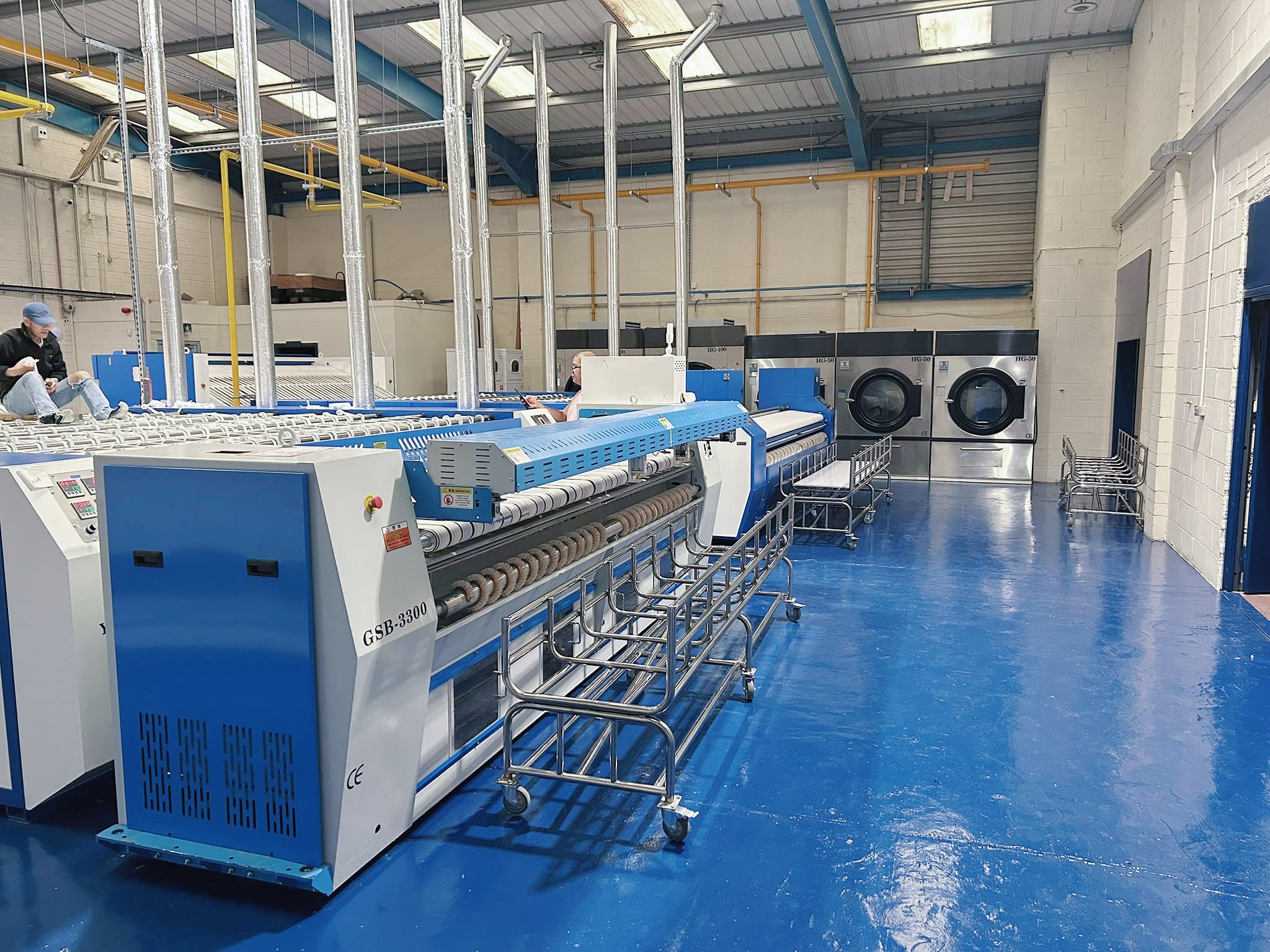
ภาพด้านบนแสดงเครื่อง GSB-3300 ที่ติดตั้งอยู่ที่โรงงานซักรีดเชิงพาณิชย์แห่งหนึ่งในเนเธอร์แลนด์ การจัดวางมีความเรียบง่าย เครื่องป้อนตั้งอยู่ที่ด้านหน้าของสายการรีด ด้านหลังเครื่องป้อนคือเครื่องรีดแบบลูกกลิ้งที่ใช้กดผ้าปูที่นอน ส่วนเครื่องพับจะรับผ้าปูที่นอนที่ผ่านการรีดเรียบร้อยแล้วไว้ที่ปลายสายการผลิต และเครื่องอบแห้งรุ่น HG-series ตั้งอยู่ด้านข้าง ซึ่งทำหน้าที่อบผ้าที่ผ่านการซักและหมาดแล้วก่อนหน้านี้ แล้วนำผ้าที่อบเสร็จแล้วมาวางไว้ที่สถานีรับโหลดโดยตรง
นี่คือการดำเนินงานขนาดกลาง พวกเขาไม่จำเป็นต้องปรับระบบอัตโนมัติทั้งหมดใหม่ แต่ต้องการกำจัดข้อจำกัดในการกระจายวัสดุด้วยมือ และลดภาระที่เกิดกับพนักงานปฏิบัติการของตน การออกแบบแบบสถานีเดียวสามารถรองรับปริมาณการผลิตต่อวันของพวกเขาได้อย่างเพียงพอ ส่วนตัวเลือกใช้งานโดยพนักงานสองคนพร้อมกันจะช่วยเพิ่มความสามารถในการผลิตสูงสุดในช่วงที่ลูกค้าโรงแรมในเมืองรอตเทอร์ดามสั่งซื้อเพิ่มเป็นสองเท่าในช่วงไฮซีซัน
ไม่ใช่ทุกกะที่มีภาระงานเท่ากัน เครื่อง GSB-3300 สามารถปรับตัวให้เข้ากับทั้งสองสถานการณ์ได้
โหมดพนักงานหนึ่งคนเหมาะสมกับกรณีต่อไปนี้:
หากคุณกำลังเปรียบเทียบเครื่องป้อนผ้าปูที่นอน โปรดให้ความสำคัญกับประเด็นเชิงปฏิบัติเหล่านี้:
สิ่งนี้ขึ้นอยู่กับปริมาณงานและรูปแบบการจัดวางพื้นที่ของคุณ
โดยทั่วไปแล้ว เครื่องป้อนแบบสถานีเดียวจะให้ผลตอบแทนสูงสุดในกรณีต่อไปนี้
สองประเด็นที่มักถูกมองข้ามบ่อยครั้ง:
ความลึกของพื้นที่ติดตั้งอุปกรณ์ ระบบป้อนผ้า ระบบรีดผ้า และระบบพับผ้าทำงานเป็นสายการผลิตแบบต่อเนื่อง โดยระบบป้อนผ้าตั้งอยู่ด้านหน้า ส่วนระบบรีดผ้าและระบบพับผ้าตั้งอยู่ด้านหลัง โปรดตรวจสอบแผนผังพื้นที่ให้มีความลึกเพียงพอในส่วนด้านหลังเครื่องกระจายผ้า (spreader) เพื่อรองรับการติดตั้งอุปกรณ์สำหรับขั้นตอนการตกแต่งสุดท้ายทั้งหมด โดยไม่จำเป็นต้องให้ผู้ปฏิบัติงานเดินเลี่ยงรอบอุปกรณ์หรือเกิดปัญหาการจราจรภายในโรงงาน
แหล่งจ่ายไฟฟ้า โปรดตรวจสอบว่าสถานที่ของท่านสามารถรองรับความต้องการด้านพลังงานไฟฟ้าของเครื่องจักรได้ก่อนที่เครื่องจะถูกส่งมาถึง เนื่องจากในบางภูมิภาคคุณภาพของแรงดันไฟฟ้าอาจไม่เสถียร การตรวจสอบล่วงหน้าจะช่วยป้องกันความล่าช้าในการเริ่มใช้งานเครื่องจักร
เครื่องป้อนผ้าปูที่นอนแบบสถานีเดียวอาจไม่ใช่เครื่องจักรที่มีขนาดใหญ่ที่สุดในห้องซักผ้าของท่าน แต่สำหรับการดำเนินงานขนาดกลางส่วนใหญ่ เครื่องจักรนี้คือคำตอบที่ช่วยลดต้นทุนแฝงที่ใหญ่ที่สุด นั่นคือ ชั่วโมงการทำงานที่สูญเปล่าของพนักงานที่สายการรีดผ้า
นี่คือการอัปเกรดที่ให้ผลจริง ติดตั้งได้ง่าย ใช้งานได้สะดวก และมีความยืดหยุ่นเพียงพอที่จะรองรับทั้งกะปกติและช่วงเวลาที่มีปริมาณงานสูง หากท่านยังคงกระจายผ้าปูที่นอนด้วยมืออยู่ ระยะเวลาที่ประหยัดได้มักจะคืนทุนการลงทุนภายในไม่กี่เดือนแรกของการใช้งาน
ต้องการความช่วยเหลือในการจับคู่เครื่องป้อนผ้าปูที่นอนกับสายการรีดของคุณหรือไม่ ติดต่อ Flying Fish Machinery เพื่อพูดคุยเกี่ยวกับการจัดวางโรงงาน ปริมาณการผลิต และการกำหนดค่าที่เหมาะสมสำหรับการดำเนินงานของคุณ
 ข่าวร้อนแรง
Copyright © 2024 Shanghai Flying Fish Machinery Manufacturing Co.,Ltd . นโยบายความเป็นส่วนตัว
 EN
EN


