
 EN
EN
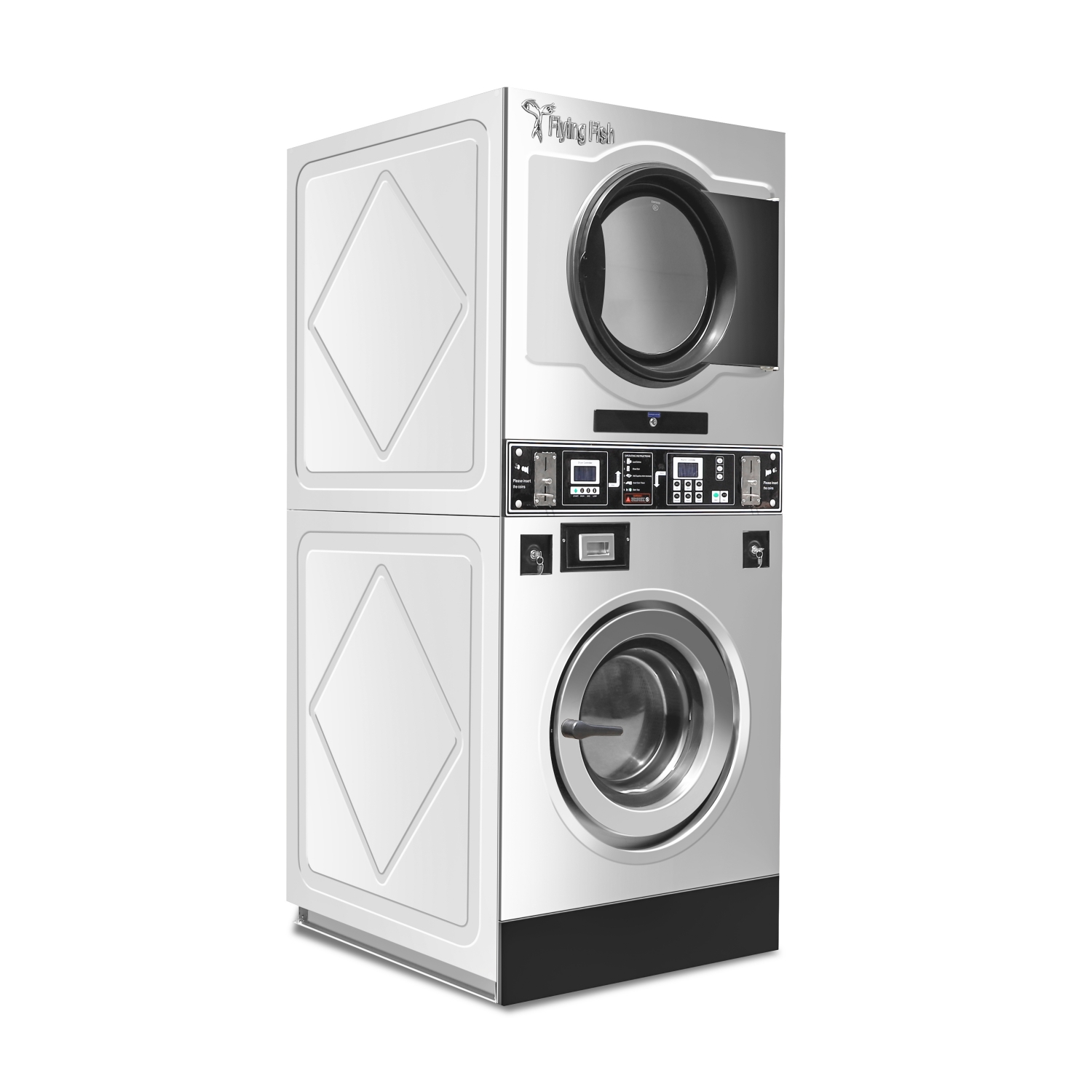
Selecting the right commercial washer dryers is a critical decision for any business operating in the commercial laundry sector. Whether you're equipping a self-service laundry facility, a small-scale laundry service, or a small hotel, the equipment you choose directly impacts operational efficiency, cost-effectiveness, and customer satisfaction. This guide outlines the key factors to ensure you make an informed investment that aligns with your specific operational needs and long-term goals.
Understanding Your Operational Demands
Before evaluating specific models, a thorough analysis of your daily operational requirements is essential. This foundational step ensures the equipment you select can handle your workload without unnecessary strain or underutilization.
Workload Volume and Peak Times: Calculate the average weight of laundry processed per day. Consider peak periods, such as weekends for hotels or evenings for self-service laundries. This assessment directly informs the required capacity and number of machines.
Types of Fabrics and Soiling Levels: Different establishments process different materials. A small hotel may primarily handle linens and towels, while a self-service laundry deals with a wide variety of personal garments. The nature of the soil—from everyday dust to more stubborn stains—will influence the need for specific wash programs and chemical dispensing systems.
Available Space and Utility Connections: Precisely measure your laundry area. Commercial machines are larger and heavier than domestic units. Ensure you have the necessary floor space, door access, and the correct electrical, water, and drainage connections to support the installation.
Key Performance and Engineering Factors
Once you have a clear picture of your operational profile, you can delve into the technical specifications and performance characteristics of the equipment.
Capacity and Throughput
Capacity, measured in kilograms or pounds, is a primary differentiator. While a larger capacity machine can handle bigger loads, it's crucial to balance this with throughput—the number of loads processed per hour. For high-turnover environments, multiple medium-capacity machines may offer better operational flexibility and redundancy than a single large-capacity unit, preventing a complete shutdown if one machine requires maintenance.
Durability and Construction Quality
Commercial laundry equipment must withstand constant, heavy use. Look for robust construction features:
Stainless Steel Drums and Outer Casings: This material is resistant to rust, corrosion, and chemical damage, ensuring a long operational lifespan.
Heavy-Duty Motors and Shock Absorbers: These components are designed for continuous operation and can handle the imbalance of large, heavy loads without excessive vibration or wear.
Reinforced Hinges and Seals: Frequent door openings and closings demand durable components to prevent leaks and mechanical failure.
Energy and Thermal Efficiency
Operational costs are dominated by utilities. High-efficiency machines are a must for long-term profitability and environmental stewardship.
Closed-Loop Thermal Recycling Systems: Advanced systems capture and reuse heat from previous cycles. This significantly reduces the energy required to heat incoming water, leading to substantial savings on gas or electricity bills and a lower carbon footprint.
High-Speed Extraction: Machines with higher G-force extraction spins remove more water from laundry before it enters the dryer. This drastically reduces drying time and energy consumption, accelerating the entire laundry process.
Advanced Wash Programs and Control Systems
Modern commercial washer dryers are defined by their intelligence and programmability.
Programmable Microprocessor Controls: Allow operators to set custom wash cycles for different fabric types and soil levels. This ensures optimal cleaning results while conserving water, energy, and chemicals.
User-Friendly Interfaces: For self-service environments, simple, coin- or card-operated interfaces are vital. For staff-operated facilities, password-protected controls prevent unauthorized changes to established programs.
Ease of Maintenance and Service Support
Downtime is lost revenue. Choosing equipment designed for easy maintenance is crucial.
Accessible Components: Look for designs that provide easy access to filters, pumps, and other parts that require regular inspection or cleaning.
Reliable Service Network: Ensure the manufacturer or supplier has a proven network of certified technicians who can provide prompt and reliable service and supply genuine spare parts.
Compliance and Certification
Verify that the equipment meets all relevant regional safety and performance standards. Compliance with stringent international directives ensures the equipment is designed with safety, efficiency, and environmental considerations in mind.
Making the Strategic Investment
Choosing commercial washer dryers is more than a simple purchase; it's a strategic investment in the backbone of your operation. By systematically evaluating factors such as capacity, durability, energy efficiency with thermal recycling, advanced programmable controls,and serviceability, you can select a solution that delivers reliability, cost savings, and superior cleaning performance. The right equipment not only meets today's demands but also scales with your business, ensuring you are well-positioned for future growth and success in a competitive commercial landscape.