
 EN
EN
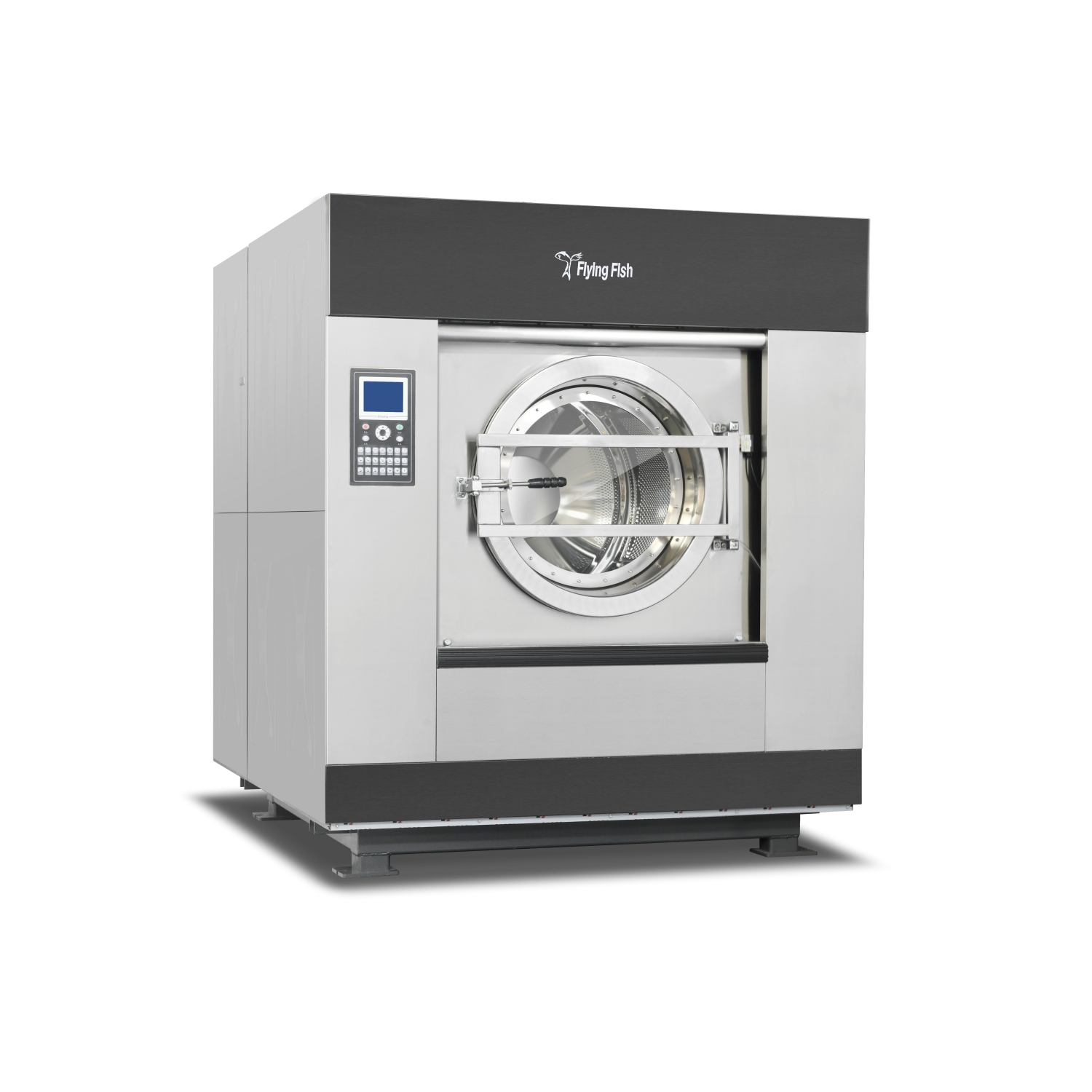
In the competitive industrial laundry sector, profitability hinges on integrating advanced equipment, operational efficiency, market adaptation, and cost control. Below is a concise breakdown of the core elements driving sustainable success.
High-Performance, Energy-Saving Equipment as the Foundation
The right equipment is pivotal to balancing productivity and cost efficiency. Industrial washer extractors (10KG–150KG capacities)and energy-saving tumble dryers (50KG–120KG) form the operational backbone, designed to handle high volumes without compromising quality. Key features like front-door air inlets and unique hot air circulation in dryers boost heat distribution, shortening drying time by 30% and cutting steam consumption by 50%. Constructed with SUS304 stainless steel, these machines resist corrosion for long-term reliability, reducing maintenance and replacement costs. User-friendly designs—such as easily accessible lint filters and maintenance points—minimize downtime. Disinfection relies on chemical detergents, aligning with practical industrial needs while avoiding overly complex technologies.
Market-Tailored Product Portfolio for Diverse Needs
Profitable operations cater to core sectors: hospitality, commercial facilities, and self-service laundry. For hospitality clients, high-capacity washer extractors (100KG–150KG) accelerate linen turnover while upholding luxury standards. Commercial clients benefit from versatile equipment with multiple wash programs for diverse textiles like uniforms and drapes. Self-service operators rely on vended washer extractors and dryers (15KG–25KG) for steady user-fee revenue. Aligning equipment with these sector-specific demands attracts long-term clients, ensuring stable income.
Strict Compliance with Quality and Industry Standards
Adherence to global standards builds trust and avoids penalties. Equipment must meet EU Ecodesign Standards for energy efficiency and environmental performance, appealing to eco-conscious clients. Compliance with ISO 9001 ensures consistent quality across manufacturing and service. Reliable chemical detergents guarantee hygiene, meeting client requirements. Regular maintenance—checking hoses for leaks, cleaning filters—prevents breakdowns, protecting the business’s reputation and avoiding operational disruptions.
Global Adaptation and Localized Service
Thriving businesses balance global reach with regional customization. Equipment is optimized for local regulations, such as EU energy rules, or resource constraints in arid climates (prioritizing heat utilization over water-saving). A presence in over 120 countries, supported by localized partners, ensures timely service for international clients like hotel chains. Understanding local preferences—such as self-service payment methods—enhances competitiveness, opening new revenue streams and reducing market reliance.
Cost Control via Energy and Resource Optimization
Managing energy costs is vital for profitability. Energy-saving equipment, including heat-retaining dryer designs and efficient hot air circulation, cuts energy consumption by 50%. Multi-filter structures prevent clogs, maintaining machine efficiency and reducing waste. Proactive maintenance keeps equipment operating at peak performance, avoiding unnecessary energy use. These savings can be reinvested or passed to clients as competitive pricing, driving growth and long-term profitability.