
 EN
EN
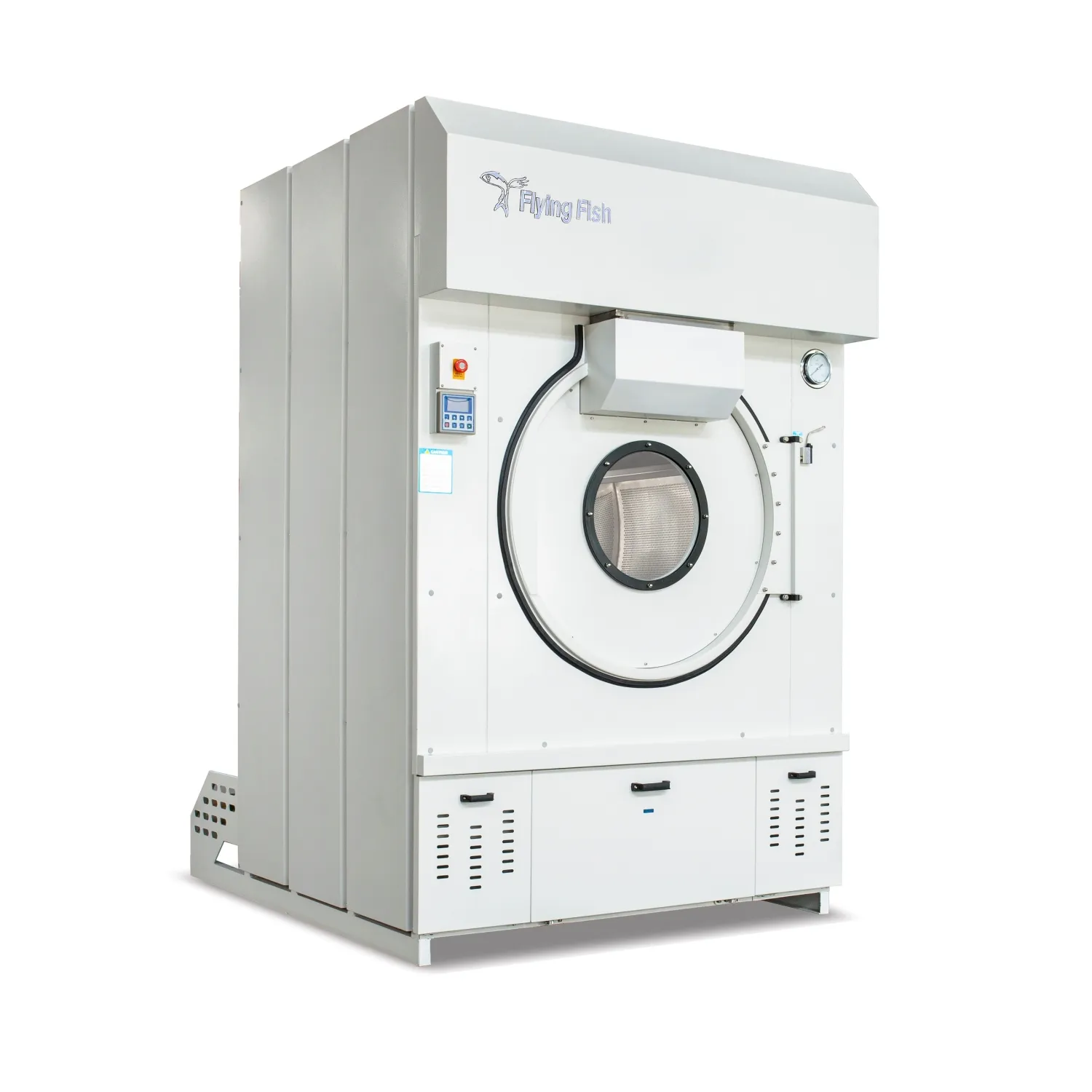
Balancing Efficacy and Responsibility in Modern Laundry Operations
In the demanding world of commercial laundry, achieving impeccable cleanliness while safeguarding fabric integrity and operational safety is a paramount concern. For hospitality, institutional, and public service sectors worldwide, the decision of when and how to use bleach is a critical component of operational excellence. As a leader in crafting premium-grade laundry solutions, we understand that true efficiency stems from the intelligent integration of robust equipment, precise processes, and informed chemical management. This guide delves into the strategic, safe application of bleach in commercial settings, aligning with the industry's shift towards measured, responsible, and high-performance practices. Moving beyond traditional methods, today's approach combines proven techniques with a deep understanding of chemistry to protect both assets and the environment.
Understanding the Role of Bleach in Commercial Laundry
Bleach, primarily chlorine-based, is a powerful oxidizing agent used to remove stains, disinfect linens, and maintain a bright white appearance. Its efficacy in destroying a broad spectrum of microorganisms and breaking down organic compounds is unmatched for certain applications. In commercial operations servicing hotels, resorts, sports facilities, and food service industries, the need for hygienically clean and visually pristine textiles is non-negotiable. However, its potency demands respect. Improper or excessive use can lead to rapid fabric degradation, color loss, unwanted chemical reactions, and increased operational costs from premature linen replacement. Furthermore, handling concentrated bleach requires strict safety protocols to protect staff. Therefore, defining clear parameters for its use is not just a recommendation—it's a cornerstone of sustainable and economically sound laundry management.
Key Indicators for Bleach Application: A Strategic Framework
Determining the precise moment for bleach integration requires a systematic assessment. Here are the primary scenarios where its use is justified and recommended:
High-Risk Linen Categories
This includes items with a high probability of contamination with pathogens, such as food service linens (aprons, kitchen towels, napkins) from restaurants or banquet halls, and linens from gyms, spas, or pools where bodily fluids and sweat are present. For institutional settings like dormitories, bleach provides an essential level of disinfection.
Stain Removal on White Cottons
Specific, tough stains on 100% white cotton or cotton-blend fabrics—such as those caused by coffee, tea, grass, blood, or mildew—often require bleach for complete removal. The chemical action breaks down the stain molecules, allowing them to be washed away.
Restoration of Fabric Whiteness
Over time, even with excellent washing routines, white linens can develop a yellow or grey dullness due to mineral deposits, body oils, or incomplete soil removal. A periodic, controlled bleach cycle helps restore optical brightness and maintains the crisp, fresh appearance expected in hospitality settings.
Disinfection Protocols
During illness outbreaks or as part of stringent hygiene cycles, bleach is a reliable and fast-acting disinfectant for linens, provided the fabric composition allows for it.
The Safe Application Protocol: A Step-by-Step Guide
Safety and effectiveness are inseparable. Follow this engineered protocol to integrate bleach correctly into your commercial laundry process.
Fabric Compatibility Check
Always verify fabric content. Bleach is suitable for white, colorfast cottons and synthetics rated for bleach use. It must never be used on wool, silk, spandex, or any non-colorfast fabrics. Check care labels meticulously.
Proper Dilution is Critical
Never pour concentrated bleach directly onto fabrics. It must be diluted according to the manufacturer's instructions and the soil level. Commercial washers are equipped with automatic chemical injection systems. Ensure these systems are calibrated to inject the correct, pre-diluted bleach solution at the appropriate wash cycle stage, typically after the initial rinse to avoid interaction with other chemicals.
Optimal Water Temperature
For chlorine bleach, the most effective water temperature range is between 55°C (130°F) and 65°C (150°F). This temperature range maximizes disinfecting and cleaning power while minimizing the risk of excessive chemical activity that can harm fibers. Never use bleach in hot water exceeding 70°C (160°F) as this accelerates fabric damage.
Correct Cycle Stage Integration
Modern commercial washers are programmed for multi-stage washing. Bleach should be injected during the wash cycle, after the machine has dispensed alkali and surfactant, and the pH of the wash water has begun to lower. This prevents dangerous chemical fumes and ensures optimal bleaching action.
Thorough Rinsing
A complete and thorough rinse cycle is non-negotiable following a bleach wash. Residual bleach must be entirely eliminated to prevent skin irritation for end-users and to protect fabrics during the drying process, where heat can set any remaining chemicals, causing damage.
Staff Safety First
Personnel handling concentrated bleach must wear appropriate Personal Protective Equipment (PPE), including gloves, goggles, and aprons. Ensure proper ventilation in chemical storage and dispensing areas. Spill kits and Material Safety Data Sheets (MSDS) must be readily accessible.
Integrating Bleach with a Modern Laundry Ecosystem
A safe and efficient bleach strategy does not exist in isolation. It functions as part of a holistic laundry ecosystem designed for precision and reliability. Premium commercial laundry equipment provides the control and consistency necessary for safe chemical application. Engineered systems feature advanced dispenser technology that automates injection with exact timing and volume, removing human error. Furthermore, precise temperature control modules ensure water is always within the ideal range for the selected chemistry, protecting linen investment.
This operational artistry is supported by a philosophy of intelligent processing, where every element—from mechanical action and time to chemistry and temperature—is optimized. While bleach remains a vital tool for specific challenges, its need can often be reduced through a proactive approach: classifying soils effectively, using optimized wash formulas with high-quality detergents and alkalis, and maintaining equipment to ensure ideal mechanical action. This comprehensive approach aligns with global standards for operational excellence and asset preservation, delivering measurable value and longevity to every linen cycle.
Alternatives and Complementary Processes
While bleach is irreplaceable for certain functions, understanding alternatives is key to a flexible operation. For disinfection needs on bleach-sensitive fabrics, consider using hydrogen peroxide-based liquid bleaches or accelerated hydrogen peroxide (AHP) formulas. These are effective disinfectants at lower temperatures and are generally gentler on fabrics and colors. The use of thermal disinfection—sustaining a specific wash temperature for a mandated time period—is another powerful, chemical-free method for pathogen elimination, applicable to a wide range of textiles.
The foundation of any successful laundry operation, however, is the consistent use of high-performance detergents, alkalis, and other specialty chemicals tailored to the soil and fabric type. A well-designed chemical program can address most soiling and sanitation requirements, reserving bleach for the specific instances where its unique properties are essential.
Mastering the Art of Precision Laundry Care
The strategic and safe use of bleach in commercial laundry is a testament to the balance between powerful cleaning and responsible stewardship. It is a tool to be deployed with knowledge, precision, and respect for both fabric longevity and human safety. By adhering to clear protocols—verifying fabric compatibility, ensuring proper dilution and temperature, integrating correctly into the wash cycle, and prioritizing thorough rinsing—operators can harness the benefits of bleach without incurring its potential costs.
Ultimately, achieving consistent, high-quality results while extending linen life and controlling operational expenses depends on integrating such precise practices within a robust and intelligent laundry system. It is through this synergy of engineered equipment, informed chemical management, and procedural artistry that modern facilities can meet the highest standards of cleanliness, durability, and efficiency, ready to handle the demands of a global clientele.
Table of Contents
- Balancing Efficacy and Responsibility in Modern Laundry Operations
- Understanding the Role of Bleach in Commercial Laundry
- Key Indicators for Bleach Application: A Strategic Framework
- The Safe Application Protocol: A Step-by-Step Guide
- Integrating Bleach with a Modern Laundry Ecosystem
- Alternatives and Complementary Processes
- Mastering the Art of Precision Laundry Care